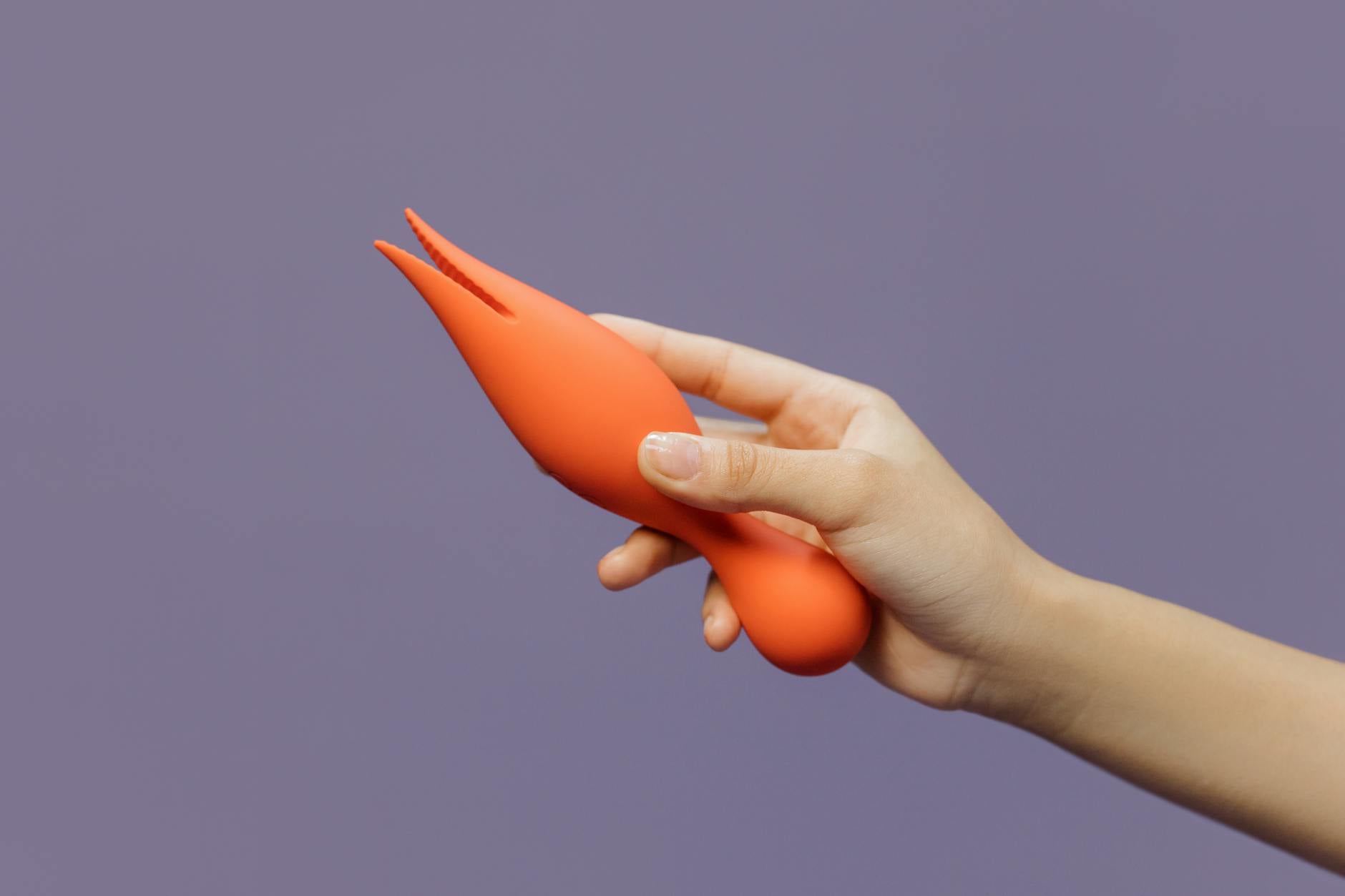
How to Use a Lemon Vibrator During Partner Reconnection After Illness or Surgery
Rebuilding intimacy after your body has been through trauma feels fragile. A lemon clitoral vibrator can bridge that gap without pressure, pain, or the awkwardness of starting from scratch.
Illness and surgery do something to intimacy that's hard to name. Your body feels like a landscape someone else mapped out. Even if you're relieved to be healing, touching feels tentative. Asking for what you want feels risky. And the guilt about not wanting to have sex yet, or wanting it differently, gets tangled up with everything else.
Here's what I see with couples rebuilding after surgery or extended illness: the person who was sick is often afraid of disappointing their partner. The partner is often afraid of hurting them or seeming selfish. Both of you are holding your breath. A lemon clitoral vibrator, used thoughtfully, can give you permission to stop holding your breath and start communicating again.
It's not magic. But it does something specific: it lets pleasure happen on your terms, at a pace that feels safe, without the vulnerability of direct penetration or the complexity of partnered performance.
Three things shift in your body after illness or surgery, even once you're medically cleared.
First, your nervous system has been in protection mode. That's not weakness. It's your body doing its job. Suction-based stimulation like a lemon vibrator works particularly well during nervous system recovery because it's rhythmic, predictable, and doesn't require you to relax into trust right away. The sensation builds gradually rather than hitting you with intensity.
Second, your pelvic floor is often tighter after surgery or bedrest. Even minor gynecological procedures, abdominal surgery, or long illness can change how your pelvic floor holds tension. A lemon clitoral vibrator gives direct stimulation without requiring you to be more flexible or open than you currently are.
Third, your arousal system may feel sluggish. When you've been unwell, blood flow to your genitals drops. Sensation numbs. This isn't permanent. But jumping straight into partnered sex often means faking readiness you don't feel. Solo exploration with a lemon vibrator lets you rebuild that circulation and sensitivity without audience pressure.
Not a heavy conversation. Just this: "I want us to rebuild intimacy, and I need to do it slowly. Would you be open to me exploring solo for a bit, and then we figure out what comes next together?"
If your partner says no or gets defensive, that's data. That's a different conversation, and it might need a couples therapist. But most partners who love you will feel relieved by this clarity. It takes the pressure off both of you.
Then define what reconnection actually looks like. Not "sex." That word carries too much weight. Maybe it's: touching without going further. Pleasure without penetration. Time together where nothing has to happen. Permission to stop mid-way if something hurts or feels wrong.
A lemon vibrator makes all of that possible because it's contained. It's not your partner's body. It's not an expectation. It's a tool that's just for you.
Don't skip this phase, even if your partner wants to be involved.
Spend at least 2-4 weeks relearning your own body with a lemon vibrator before bringing your partner into the picture. This does three things: it rebuilds your nervous system's trust in pleasure, it gets blood flow moving again, and it lets you map what actually feels good right now (which may be different from what felt good before).
Here's the protocol:
Start with the Lem on the lowest setting. Spend 10-15 minutes just exploring without the goal of orgasm. The goal is sensation. Where does it feel good? Where is it too much? Does the warmth of the device feel comforting or threatening? This information matters.
If you're experiencing pain during or after, stop. That's your signal to check in with your doctor. Pain isn't part of recovery. Discomfort is different from pain. Discomfort is "this feels unfamiliar and maybe a little intense." Pain is "this hurts." Know the difference.
Add lubrication even if you don't think you need it. After surgery or illness, tissue sensitivity changes. Water-based lube reduces friction and makes everything feel less clinical. It's not admitting defeat. It's listening to your body.
Work up to longer sessions only if it feels right. If you find yourself excited to explore again tomorrow, that's your body saying it's ready. If you dread it, that's data too. Pause and check in with yourself about what's underneath that dread.
This is where most couples get it wrong. They think "ready" means "can have sex." It doesn't.
Ready means you can have pleasure happen in front of another person without managing their emotions about it. That's a specific skill and it takes practice.
Start with your partner present but not touching. You're using the Lem while they're beside you, maybe reading or just being there. This sounds awkward. It is awkward the first time. Do it anyway.
Why? Because it teaches your nervous system that pleasure in front of a partner is safe. That their presence doesn't mean you have to perform. That you can feel good while they witness it without it being about them.
When that feels normal (maybe 3-5 sessions), graduate to: partner touches you elsewhere while you use the Lem on yourself. They're stroking your arm, your hair, your back. They're present but not replacing the vibrator.
This bridges the gap between solo and partnered. Your body gets to feel safety from both sources at the same time.
Only after that starts to feel genuinely good should you consider them using the lemon vibrator on you. And even then, let them know: if at any point this doesn't feel right, you'll say so. Make stopping easy. Make it judgment-free.
When you're rebuilding intimacy after illness or surgery, pleasure sometimes comes with grief. Your body was sick. It failed you. Or you just lost time with your partner. Touching can crack open feelings you weren't expecting.
This is normal. Let it happen.
If you cry or feel angry or distant during or after, that's not a sign the lemon vibrator isn't working. It's a sign your nervous system is processing something real. Your partner doesn't need to fix it. They just need to sit with it.
Something I tell couples: reconnection isn't smooth. It's not a slow fade in to a perfect moment. It's two people learning each other's bodies again, which includes learning what's changed and what you feel about those changes.
If you're feeling numb to pleasure, that may last a few weeks or months. That's not your fault. Keep going. Numbness after extended illness or surgery is a protective response. It usually passes once your nervous system feels genuinely safe again.
If you're more than 8 weeks post-recovery and still experiencing pain during sexual touch, see your doctor. If you're having trouble feeling anything at all after 12 weeks, that's also worth mentioning to a healthcare provider. Sometimes there's a physical component that needs attention.
If you and your partner are struggling to talk about reconnection, or if one of you feels resentful about the pace, couples therapy can help. This isn't a failure. It's smart. Rebuilding intimacy after illness or surgery requires new communication skills, and learning them with a therapist saves months of guessing.
Sometimes solo lemon vibrator use reveals that the relationship itself needs work. You find yourself not wanting to reconnect. That's important information. Honor it.
Reconnection after illness or surgery isn't a sprint to get back to how things were. It's a chance to build intimacy more intentionally.
Many couples tell me that this phase, as hard as it was, actually brought them closer because they had to slow down. They had to ask for what they wanted. They had to watch their partner be vulnerable about wanting them while respecting their pace.
A lemon clitoral vibrator is just a tool in that rebuilding. But it's a tool that lets you feel powerful in your own pleasure while you're rebuilding trust with another person. That matters.
Always get medical clearance from your doctor first. Typically that's 4-6 weeks for most procedures, but some surgeries require longer. Once you're cleared for sexual activity, you can start solo exploration. Go slow. Pain is a stop sign. Discomfort is something you can work through gradually.
Not if you communicate about it first. Most partners feel relieved when you're taking responsibility for reconnecting on your own timeline rather than forcing intimacy before you're ready. If your partner does feel hurt or left out, that's worth exploring together, maybe with a therapist. But the default shouldn't be to avoid pleasure to protect someone else's ego.
Stop and breathe. Check in with your body about what triggered that response. Sometimes it's the physical sensation, sometimes it's the vulnerability of being touched again. If trauma comes up, a trauma-informed therapist can help you process it. A lemon vibrator isn't the problem. It's just illuminating something that needs attention.
Absolutely. This is actually one of the best ways to rebuild comfort with pleasure in front of a partner. You're in control. They're just witnessing. Both of you learn that presence doesn't have to mean performance.
You'll know because you'll want them involved. Not because you feel obligated or because it's been enough weeks. Not because your partner is ready. When your own nervous system says yes, you'll feel it. Trust that signal.
That might be real. You might not want penetration for a while longer. You might want partnered pleasure without intercourse. Or you might need a longer timeline. Talk to your partner about what you do want, and let go of what you think you're supposed to want. Rebuilding intimacy means building it on your terms this time.
Reconnection after illness or surgery is one of the moments in a relationship where you actually get to choose how intimacy works. Most people don't get that chance. You do. Use a lemon vibrator not as a way to rush back to normal, but as a way to build something more honest. Something slower. Something that actually belongs to both of you.
If you're navigating this alone or struggling with your partner, reach out. This phase is temporary but it shapes everything after.