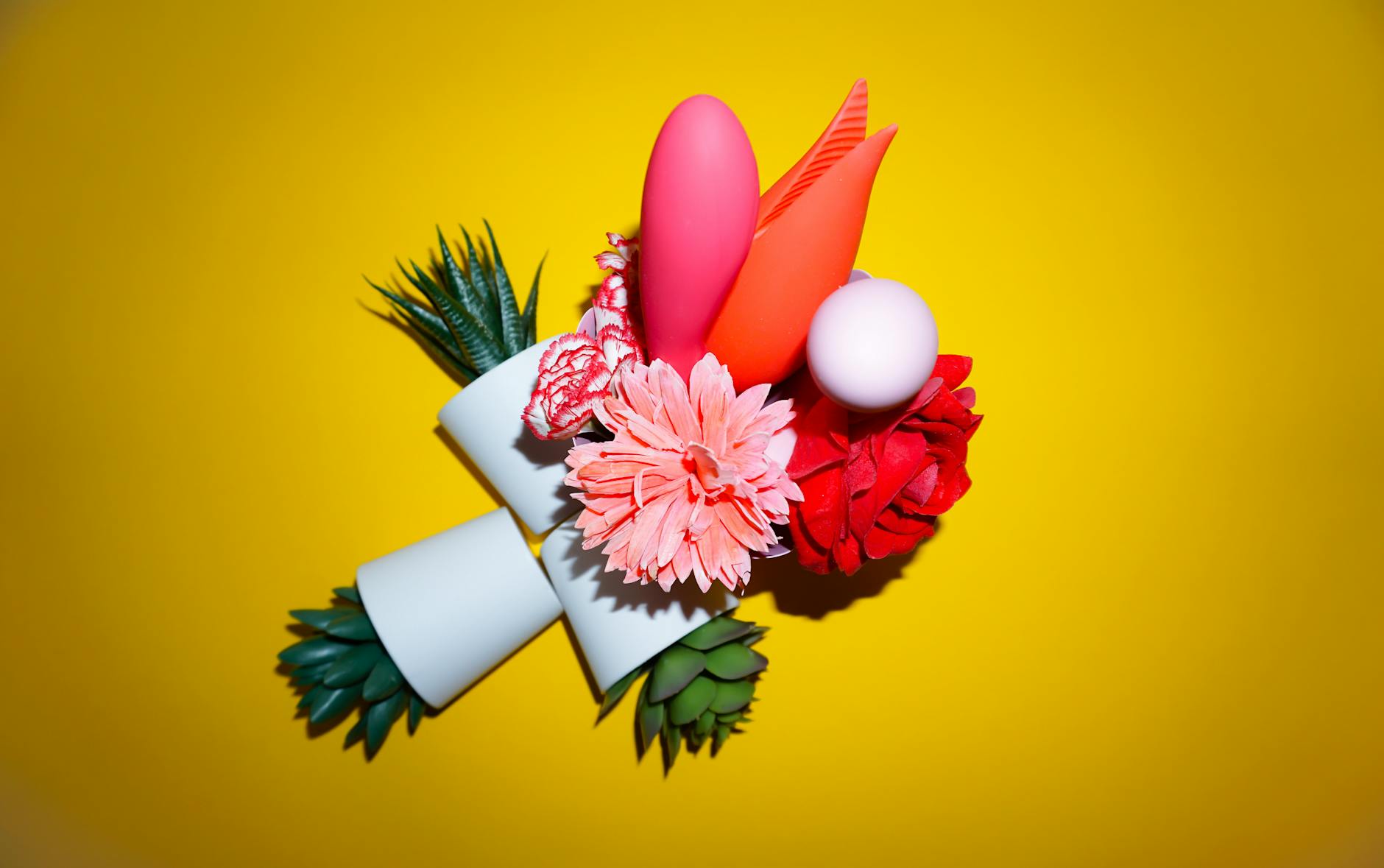
Your clitoris doesn't get older. It gets different. That distinction changes everything. Most people assume that if sensation feels less intense at 45 than it did at 25, something has broken. Nothing has broken. Your nerve endings haven't abandoned you. What's changed is the tissue around them, the hormonal backdrop, the pace of arousal, and often, what you're paying attention to.
I work with couples navigating this shift all the time, and the pattern is always the same: surprise, then worry, then adaptation. Once people understand what's actually happening physiologically, the worry melts. The lemon vibrator, with its targeted suction design, turns out to be an ideal match for how sensitivity evolves.
Three biological factors are doing most of the work here.
First, collagen and elasticity. The skin around your vulva, like the skin everywhere on your body, gradually loses collagen density. This is completely normal. The tissue becomes slightly thinner, which can make direct stimulation feel sharper rather than building in intensity the way it used to. That's not a problem. It's information.
Second, hormonal cycles. If you're still cycling, your clitoral sensitivity actually fluctuates throughout the month in ways you probably never tracked. You might be more sensitive mid-cycle, less so during luteal phases. If you're in perimenopause or postmenopause, estrogen shifts change how blood flows to the vulva and how quickly arousal builds. Again, not a malfunction. A pattern.
Third, nerve density and response time. The number of nerve endings in your clit doesn't decrease, but the speed at which they fire changes. This means arousal often takes longer to build, but here's the part they don't tell you: the orgasms can be deeper and more full-bodied because your brain has had time to integrate the sensations rather than just react to them.
A basic vibrator applies rapid mechanical stimulation. Early on, that feels amazing because your tissues are responding fast and your clit is primed. But as sensitivity patterns shift, what worked at 28 can start to feel either too intense in the wrong way or not quite hitting the target.
The lemon clitoral vibrator uses air-pulse suction technology instead of direct vibration. This matters more than you'd think. Suction stimulates the nerve network without the grinding friction that can feel too harsh on tissue that's lost some elasticity. It's a different kind of pressure, and most people find they need less intensity to reach the same pleasure because the stimulation is being delivered more efficiently.
When you're working with shifting sensitivity, efficiency is your friend. You're not fighting your body or chasing what used to work. You're working with what's actually happening right now.
Here's the mistake I see most: people assume they need the same intensity they used before. They don't. You're not weaker. The stimulation just works differently.
Start with the lemon vibrator on its lowest pattern and take time to explore. I'm talking 10-15 minutes of just getting to know how it feels. Your clit might surprise you. Many of my clients in their 40s and 50s report that the lowest settings on a suction toy feel more pleasurable than high intensity ever did, because the sensation is spread across the nerve network rather than concentrated in one sharp point.
If low settings feel like nothing, move up one pattern at a time. But give each level at least a few sessions before deciding it's not enough. Your body needs time to recalibrate what pleasure feels like when it's delivered at a different frequency.
As tissue changes, natural lubrication often decreases. This isn't a reflection of arousal level. It's not about your partner or your desire. It's a physiological fact. Using external lubricant stops the suction from pulling too hard on the tissues and makes the whole experience smoother.
Stick with water-based lubricant if you're using silicone toys like the lemon vibrator. Apply generously enough that the toy glides, but not so much that you lose the seal that creates the suction effect. Most people find their sweet spot after two or three tries.
When you were younger, you could probably go from zero to orgasm in five minutes if you wanted to. Now you're looking at 15-25 minutes of foreplay before everything is primed. This is not a loss. This is actually a win, because it means your arousal is building more gradually and your brain is engaging more deeply.
Use that time. Touch yourself elsewhere. Let your partner touch you. Get your nervous system turned on before you bring the lemon vibrator in. The suction works better when blood is already flowing to your vulva, and the whole experience feels better when you're not rushing.
I see a lot of people over 40 carrying this quiet grief about their sexuality, like it's supposed to work exactly the way it did at 25 or else it doesn't count. It counts differently now. That's the pivot.
Your pleasure at 45 is allowed to have a different shape. Maybe it's slower to build but longer to peak. Maybe you need more foreplay. Maybe the strongest orgasms come from a combination of internal and external stimulation instead of just one or the other. Maybe you get off faster when your mind isn't spinning with to-do lists. Maybe you've finally figured out what you actually want instead of what you thought you should want.
If sensation has completely disappeared in a way that doesn't make sense, or if there's pain alongside the sensitivity changes, that's worth mentioning to a gynecologist. Genitourinary syndrome of menopause, nerve compression, or medication side effects are all treatable.
But if sensitivity has shifted and you're just adjusting your technique, you don't need permission from anyone. Your body is working exactly as it should be working at this stage of your life.
Yes, often. Sensitivity patterns are usually cyclical, especially if you're still menstruating. But even postmenopause, as your body adjusts to new hormone levels over a year or two, many people find their baseline pleasure returns. It might look different, but the capacity is there. Using tools like the lemon vibrator during this adjustment period keeps you engaged with your own pleasure, which itself can help sensitivity feel more pronounced.
Not by using a vibrator thoughtfully. Your nerve endings are resilient. If you're using a suction toy like the lemon vibrator on moderate settings with plenty of lubrication, and you're not going for marathon sessions, you're not doing damage. If something feels sharp or wrong, stop. That's your body's feedback. Adjust intensity or take a break. Regular, moderate use over time is actually protective of sexual function because it maintains blood flow and nerve responsiveness.
Temporary numbness during arousal usually means one of three things: you're pushing too hard and numbing the nerves temporarily, you need more warm-up time before bringing in a vibrator, or you're distracted (stress, medication, hormones all affect this). Try backing off intensity, adding more foreplay before you use the toy, and clearing your mental space. If persistent numbness happens even with adjustment, check with a doctor about medication side effects or nerve compression.
Completely normal and incredibly common. Longer arousal time is often a feature, not a bug. Your orgasm might actually be more intense because your body and brain have had more time to sync up. If the longer timeline feels frustrating, try framing it differently: you have 20 minutes to focus entirely on pleasure instead of five. Use that time. Enjoy it.
Yes. Some people experience heightened sensitivity at certain points, especially during perimenopause when hormones are fluctuating wildly. Others find that postmenopause, once hormone levels stabilize, their baseline sensitivity actually increases because they're not fighting monthly hormonal swings. Every body is different. Track what you notice over a few months and adjust your approach accordingly.
Not necessarily. A good toy adapts with you because it has multiple intensity levels. The lemon vibrator's range means you can start at settings that felt too gentle five years ago and find they're now perfect. You might need lubrication where you didn't before, or longer warm-up time, but the tool itself usually stays relevant. Switching toys isn't wrong, it's just not always necessary.
Your pleasure is supposed to evolve. It's supposed to look different at 50 than it did at 25. If it looked identical, something would actually be wrong because your entire body, brain, and life has changed. The lemon vibrator isn't a backup plan for when your clit ages out. It's a tool that works with how your body actually functions right now.
That's not settling. That's sophistication. That's having enough years of experience to know what you actually want and the permission to get it.