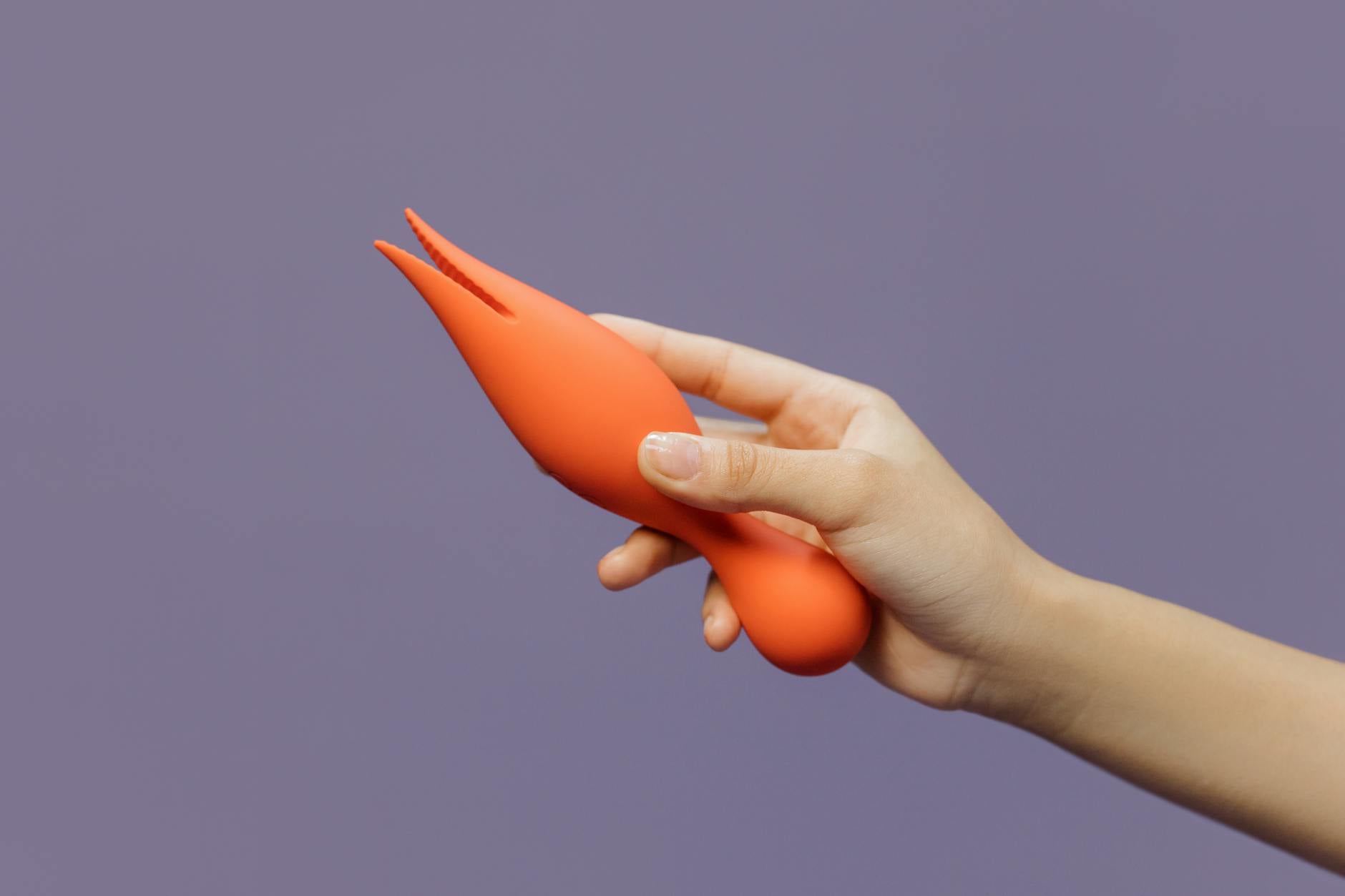
How to Use a Lemon Vibrator When Intense Pleasure Feels Overwhelming
Pleasure overload is real. Here's why clitoral vibrators can feel too intense, and exactly how to dial back stimulation without losing the sensation you want.
Here's the thing nobody tells you: a vibrator that's supposed to feel amazing can actually feel overwhelming. You're not broken. You're not doing it wrong. You're having a completely normal neurological response to intense stimulation, and there's a fix.
Most people assume that if a lemon clitoral vibrator feels like too much, they should either grin and bear it or set it aside. Neither is true. The issue isn't the toy. It's the setup.
Your clitoris has roughly 8,000 nerve endings packed into a small area. When you introduce a vibrator directly to that tissue, you're sending a lot of signal to your nervous system at once. For some bodies, that's incredible. For others, it's like turning up the volume on a song you love until it becomes noise.
Three things typically cause the "too much" feeling:
Direct contact on the glans. The most sensitive part of the clit is the glans (the visible bump). Vibration directly on it can feel sharp or almost painful rather than pleasurable. Many people do better with vibration on the hood, the surrounding tissue, or indirect stimulation.
High frequency from the jump. A lemon vibrator operates at multiple intensity levels. Starting at level 3 or 4 when your body hasn't warmed up is like jumping into a sprint before a jog. Your nervous system hasn't calibrated yet.
Prolonged contact without breaks. Pleasure is a rhythm. Constant stimulation at the same intensity eventually stops registering as pleasure and starts registering as static. Your nerves need variation to keep responding.
I work with clients who assume that if they're going to use a vibrator, they should be able to handle level 5. The truth is that level 1 on a quality lemon vibrator is actually quite powerful. A lot of people find their best orgasms at levels 1, 2, or 3 with intentional technique rather than at maximum intensity.
Here's what I recommend for anyone finding intensity overwhelming:
Turn the vibrator on at level 1 before it touches your body. Get a sense of what you're working with. Let it run for a few seconds. Then, don't put it directly on your clit. Instead, try it on the labia majora (the outer lips), or on the hood without bearing down into the glans.
The difference in sensation is dramatic. You're getting vibration through tissue that's less densely packed with nerve endings, which means the signal feels pleasurable rather than overwhelming. Once you're warmed up and your body is responding, you can gradually move closer to more direct stimulation.
Where the vibrator touches your body changes everything. You don't need to keep turning up the level. You need to become intentional about geography.
The hood method: The clitoral hood is the tissue covering your clit. If you position a lemon vibrator here (or slightly above) rather than directly on the glans, you get significant sensation with built-in buffer. This is where many people find their sweet spot.
The sides. The sides of the vulva, especially along the labia minora, have plenty of nerve sensitivity but in a different register than the glans. A lemon vibrator here feels different from a vibrator directly on the clit, often more diffuse and easier to manage.
The perimeter. Vibrating around the area rather than on it is underrated. You're stimulating the tissue that surrounds the clit, which activates the whole area without overwhelming the most sensitive part.
Most people discover their ideal positioning within the first few uses. It's not one-size-fits-all, and that's completely normal.
Overwhelm often hits when pleasure is building toward orgasm. Your nervous system gets amped, your breath gets shallow, and suddenly the sensation that was good feels like too much.
The fix: pull back slightly before you hit that ceiling. Not off completely. Just off the most sensitive area or down to a lower intensity. Keep the vibration going, but at a lower register. Breathe. Let your nervous system settle.
This isn't delaying orgasm. It's actually facilitating it. By giving your body a moment to integrate the sensation, you often find that the plateau lengthens and the orgasm itself is more satisfying.
Think of it like the way a song builds. If every verse is at maximum volume, the chorus loses its power. A good rhythm has dynamic range.
Some people find that placing a thin layer of fabric between the lemon vibrator and their skin changes the experience completely. A silk or satin barrier softens the vibration without turning it off. This is especially helpful if you're dealing with post-surgical tenderness, inflammation, or just temporary sensitivity.
You can also try using a vibrator over underwear or through a thin layer of clothing. It sounds odd, but the dampening effect is real and often just enough to shift intensity from overwhelming to exactly right.
One thing to distinguish: if you're using high intensity for a long time, you might experience numbness. Your nerves literally stop responding because they've been overstimulated. This feels like the sensation is disappearing.
Overwhelm, by contrast, feels like too much signal all at once. It's acute, not gradual. If you're going numb, that's a sign to take a 15-minute break, ice the area briefly if it's tender, and start fresh later. Numbness is your body's way of protecting itself, and honoring that matters.
If you're experiencing genuine overwhelm (not numbness), the techniques above are your answer. Numbness means you need rest.
A lot of people feel like they should be able to jump into a lemon vibrator and know exactly what feels right. That's not how pleasure works. Your body learns over time. After five or six uses, you'll have a much clearer sense of what intensity, positioning, and rhythm work for you.
That learning curve isn't a failure. It's part of the process.
I also want to flag this: if intense pleasure feels emotionally overwhelming (anxiety, dissociation, or emotional flooding), that's different from physical overwhelm. That can be a sign to work with a therapist or sex coach to explore what's happening. Your pleasure deserves space and safety.
No. Your clitoris is resilient tissue. However, prolonged high-intensity stimulation can lead to temporary numbness, which is your body's protective response. Once you rest, sensitivity returns. If you're experiencing numbness regularly, dial back intensity and take breaks.
Not at all. In fact, many people find their best orgasms at lower intensities with intentional technique. Intensity isn't the same as effectiveness. A lot of people chase high intensity when what actually works for them is lower intensity with good positioning and rhythm.
No. Pleasure should never involve pushing through discomfort. If your partner finds a vibrator overwhelming, help them experiment with positioning, lower intensity, and pauses. The goal is to find where pleasure actually lives for their body, not to force it into a mold.
Completely. Hormonal changes affect tissue sensitivity. What feels perfect during one week of your cycle might feel overwhelming the next. This is why tracking what works when can be really helpful. You're not changing. Your sensitivity is just shifting naturally.
Yes. This is actually smart. Lower intensity plus longer warm-up time, plus intentional breathing, plus partnered touch creates a much richer experience than high intensity alone. You're building sensation through technique rather than just force.
If you find that pleasure starts to feel like too much and anxiety rises, this is worth exploring. Sometimes overwhelm isn't physical. Sometimes our nervous system is protecting us from vulnerability. A therapist or certified sex coach can help you understand what's happening. This is completely treatable, and you deserve support navigating it.
Your nervous system isn't asking you to choose between pleasure and comfort. It's asking you to be intentional. A lemon vibrator is a tool, and like any tool, it works best when you know how to use it for your specific body.
Start low. Start indirect. Pay attention to what shifts the feeling from overwhelming to exactly right. That attention is how you build a practice that actually serves you.
If you're still struggling after experimenting, reach out. Understanding what your body needs is worth the conversation.