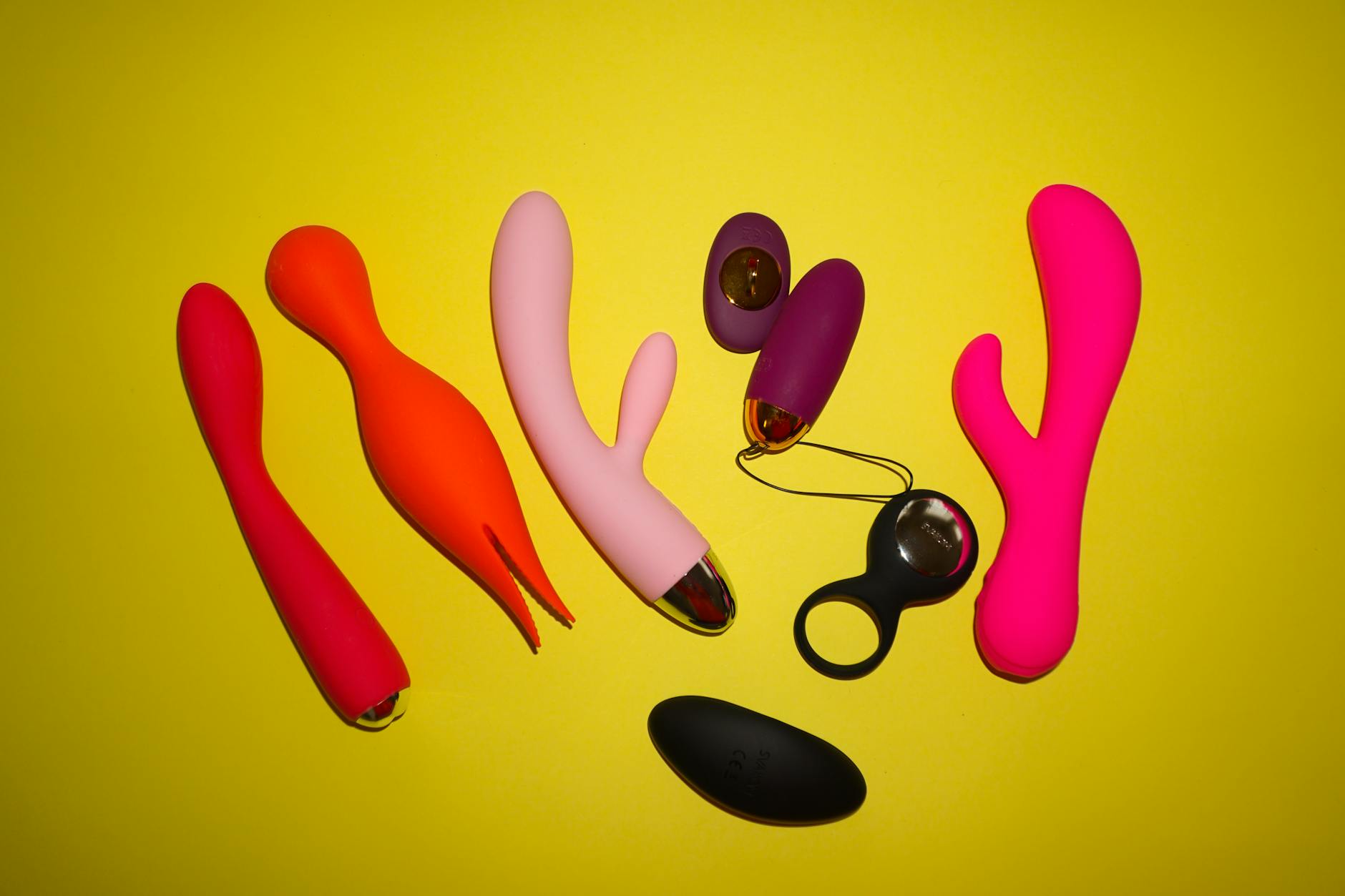
How to Use a Lemon Vibrator When Your Partner Avoids Intimacy
When sex becomes a source of distance instead of connection, solo pleasure with a lemon clitoral vibrator can restore your confidence, honor your needs, and paradoxically create the conditions for reconnection.
Your partner has stopped initiating. Maybe they're stressed, exhausted, or dealing with their own stuff. Maybe something broke between you that neither of you has named yet. Either way, you're left wondering if you're still wanted, and reaching out for sex starts to feel risky. So you stop trying.
When a partner consistently avoids intimacy, rejection gets internalized. You start believing it's about you. Your body stops trusting that pleasure is safe or welcome. Over time, desire doesn't just lower. It goes dormant. And because pleasure is deeply tied to self-worth, your confidence follows.
Here's the thing though. Your pleasure is not contingent on your partner's availability. It never was. Using a lemon clitoral vibrator during this phase is not a consolation prize or a way to "make do." It's an act of reclamation. You're telling your nervous system that your body is still worthy of attention, that sensation still matters, and that you don't need permission to feel good.
I've watched couples reconnect after months of distance because one partner stopped waiting for the other's yes. Radical, I know.
When your partner has been distant, touching yourself can feel loaded with emotion. Guilt, anger, sadness, defiance. A device like the Lem works beautifully here because the suction sensation is completely different from partnered sex. It breaks the comparison cycle.
Start small. Set a time when your partner is genuinely occupied, not hiding upstairs avoiding you. Put your phone in another room. Use water-based lube even if you think you don't need it. The Lem's suction stimulates without the friction that can feel aggressive or self-punishing when you're emotionally raw.
Begin on pattern 1 or 2. Breathe. Don't aim for orgasm on day one. The goal is reconnection with your own body, not performance. Many people report that the first solo session with a lemon clitoral vibrator after a long dry spell brings emotional release first, pleasure second. That's okay. Cry if you need to. Your body is allowed to feel everything.
One of the hardest mental shifts is this: your partner's avoidance of sex is about their stuff, not your sexiness. It might be depression, work stress, relationship anxiety, low testosterone, medication side effects, or unresolved conflict. It might be that they're processing something you don't know about yet.
None of that makes rejection hurt less. But it does mean your solo pleasure practice is not a threat to them. It's not you giving up on the relationship or admitting defeat. It's you maintaining your own baseline while you figure out what's actually going on.
Use your vibrator intentionally during this phase. Not frantically or desperately, but consistently. Twice a week. Once a week. Whatever rhythm feels sustainable. You're building evidence for your nervous system that pleasure is still available to you, independent of your partner's mood or availability. That evidence is gold when you eventually have the conversation about reconnection.
Don't ambush your partner with a conversation about avoidance right after you've used a lemon vibrator solo. They'll hear it as "I'm replacing you" rather than "I need us to address what's broken." That's not the conversation you want.
Instead, choose a neutral time. Daytime. No screens. Somewhere you can both sit without feeling trapped. Say something like: "I've noticed we haven't been intimate in a while, and I'm feeling worried about us. I don't think it's about attraction. But I need to understand what's happening on your end."
Then listen. Really listen. Don't defend. Don't explain. If they say they've felt distant because of work or family stress, that's data. If they say they're worried about performance or feeling inadequate, that's different data. If they say they're unsure about the relationship, that's the hardest data. But it's honest, and honesty is where reconnection actually starts.
Using a lemon sexual toy when your partner is withdrawn is not incompatible with wanting reconnection. The paradox is that solo confidence often thaws avoidance more effectively than pressure ever does.
When you stop pursuing, stop questioning, and start visibly enjoying your own body, something shifts. Your partner no longer feels like the gatekeeper of your pleasure. The dynamic changes from "I need you to want me" to "I'm fine alone, and I'd like to reconnect with you." That's attractive. That's safe. That's where many couples find their way back.
If the conversation does happen and your partner expresses willingness to work on intimacy, The Lem is still your tool. Solo pleasure practice makes partnered sex less high-stakes because you're not desperate for it. You know your body. You know what works. You can guide your partner without shame.
You might start with a session where you use your lemon clitoral vibrator solo while your partner simply observes. No pressure for them to perform. No expectation of penetration or partnered sex. Just you, your vibrator, and your partner present. Some couples find that witnessing solo pleasure is the gentlest way back to physical connection.
If your partner has been avoiding intimacy due to performance anxiety or medical issues like erectile dysfunction, watching you enjoy a vibrator without judgment removes some of the pressure from them. The focus shifts from what they should be doing to what everyone's actually feeling.
If three months of consistent solo practice with your lemon clitoral vibrator and an honest conversation don't shift things, couples therapy is not a failure. It's a necessary tool. A good therapist can help you both understand whether the avoidance is about the relationship, about your partner's internal stuff, or about both.
Sometimes couples reconnect beautifully on their own. Sometimes they need a skilled third party to translate what's really being said. Both are valid paths.
Rebuild your relationship with your own pleasure first. Use your Lem vibrator. Feel good. Notice that you're still sexual, still worthy of sensation, still alive. Then, from that grounded place, decide whether reconnection with your partner is possible or if this is a sign that something bigger needs to shift.
Your pleasure was never supposed to depend on someone else's yes. Reclaim that now.
Two to three times per week is a sustainable rhythm that maintains your baseline pleasure without obsession. If you find yourself using it compulsively as a way to numb pain rather than to feel, that's a sign to pause and reflect. Pleasure practice should feel like self-care, not desperation. Some weeks you might skip. Some weeks you use it daily. Listen to your body.
Possibly, if you frame it defensively or if the relationship already has trust issues. But here's what research and my clinical experience both show: when a partner sees you actively maintaining your own pleasure without anger or neediness, it often reduces their anxiety rather than increases it. The threat usually comes from desperation, not from self-care. If your partner feels genuinely threatened by your solo pleasure after you've had a calm conversation about it, that points to a deeper issue worth exploring in therapy.
Indirectly, yes. When you stop being the partner who's always initiating, always hurt, always waiting, you shift the dynamic. You become someone who has their own life, their own pleasure, their own baseline. That's attractive and disarming. People are drawn to partners who are whole unto themselves. That said, a vibrator can't fix relational problems. It can create the mental and emotional space for you to address them.
That's often a beautiful middle ground. Some couples start by using a lemon sexual toy together during manual stimulation, with no expectation of penetration or traditional sex. It's tactile, intimate, and lower-pressure than full partnered sex. If your partner suggests this, it's usually a sign they're interested in reconnection.
That's a question for a therapist, not a vibrator review. But here's what I look for clinically: Is your partner willing to acknowledge the distance? Are they willing to work on it, even imperfectly? Do you still respect them, separate from attraction? If yes to all three, there's something to work with. If your partner denies the problem, refuses to engage, or becomes hostile when you try to talk about it, that's different. Trust yourself on that.
Yes, in a different way. If your partner has erectile dysfunction, low testosterone, or medication side effects, using a lemon clitoral vibrator solo removes the pressure from them to "perform" and gives you pleasure access independent of their body. Many couples find that once sex becomes less about penetration and more about shared sensation, intimacy actually improves. Worth exploring together.
Your pleasure matters. Your body deserves attention. And your relationship deserves honesty about what's broken and whether it's fixable. Using a lemon clitoral vibrator solo is not a replacement for all of that. It's the foundation that lets you show up clearly to the harder conversations ahead. Start there.