One of you has been thinking about sex again. The other is still in recovery mode. That's not a sign anything's broken. It's a sign you're human, and healing doesn't follow a timeline you can coordinate.
The friction that builds here is real. The faster-healing partner starts to feel rejected. The slower one feels pressure. The resentment accumulates quietly until someone explodes or withdraws entirely. Most couples I work with never actually talk about this gap directly. They assume it means something is wrong with the relationship.
Here's what most couples don't realize: sexual desire isn't one unified thing that heals in lockstep. Your body, your nervous system, your emotional bandwidth, and your actual interest in sex can all be recovering at different speeds. Add a partner into the equation and suddenly you have potentially eight different recovery timelines operating at once.
One partner might be emotionally ready but physically not feeling sensation the way they used to. Another might have the physical readiness but be stuck in anxiety about whether the relationship is still safe. Medication changes, stress levels, hormonal shifts, and the simple fact that you've had different stressors while apart all compound this.
I had a client, Michael, who was eager to reconnect with his wife three months after a health crisis. His wife, Sarah, needed another two months just to stop holding her breath around him. Neither timeline was wrong. But without a conversation about it, Michael felt rejection every time Sarah declined intimacy, and Sarah felt guilt for being "slow."
The solution wasn't to push Sarah faster. It was to give her a way to participate in pleasure that didn't feel like full-pressure intimacy, and to give Michael a way to feel connected without waiting for Sarah to be completely ready.
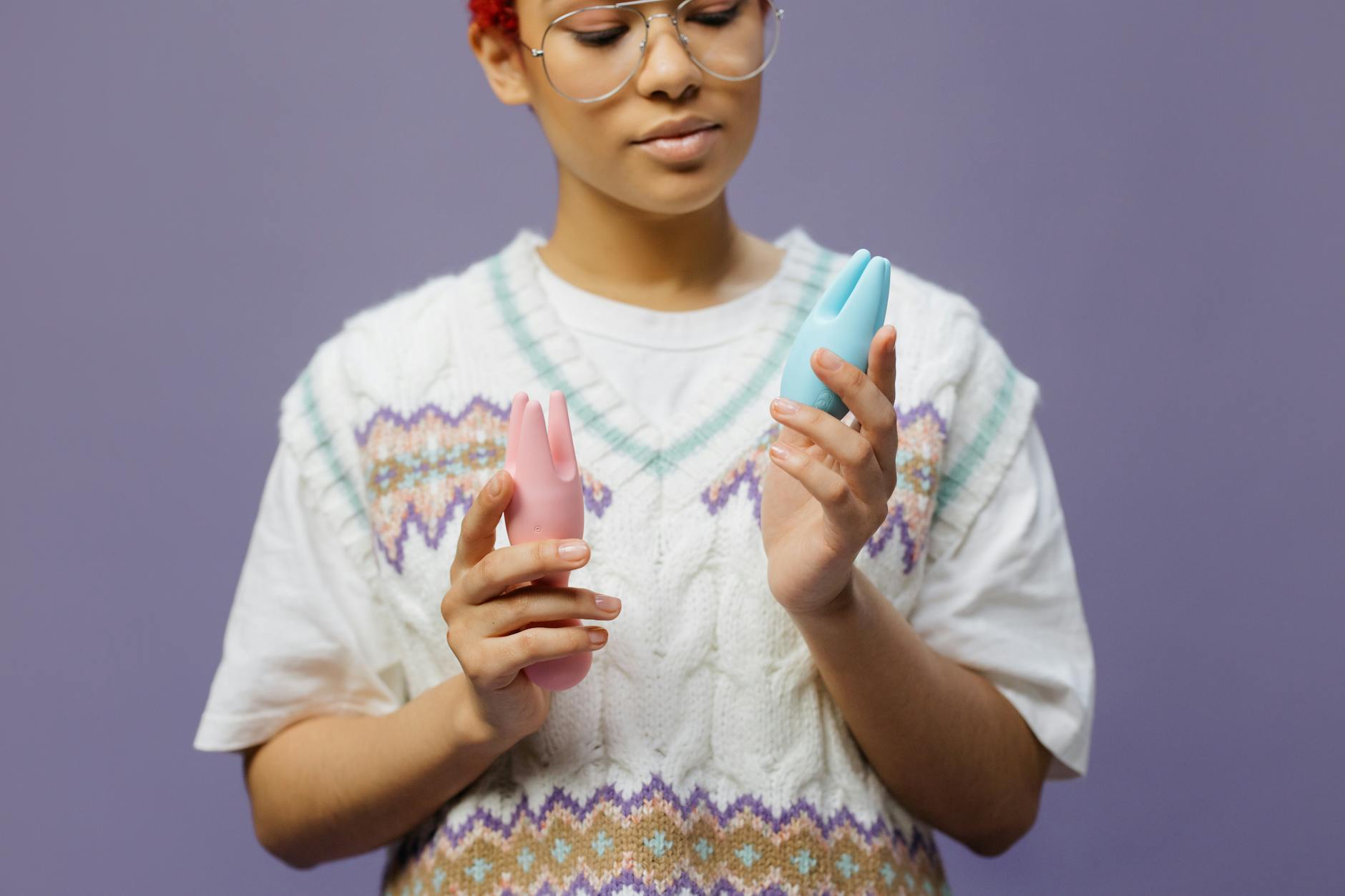
That's where a lemon clitoral vibrator becomes unexpectedly useful.
The faster-healing partner wants touch, connection, and sexual release. They're probably feeling some resentment that intimacy has been shelved. They might be questioning whether the relationship is even still "working" on a physical level.
The slower-healing partner might want physical affection but isn't ready for penetrative sex, partnered orgasm, or the vulnerability of the full experience. They might feel pressured, guilty, or touched out.
What you need is a third option. Something that lets both of you show up, reconnect on a pleasure level, and rebuild confidence in your bodies together without forcing anyone into a false "ready."
Enter: solo pleasure in the presence of your partner.
A lemon vibrator or other clitoral suction toy creates a specific kind of intimacy that sits between "we're not touching" and "we're having full partnered sex." One partner can experience pleasure and arousal while the other watches, touches them, receives pleasure themselves, or simply exists in that space without performing.
This works because it solves several problems at once.
It removes the pressure on the slower partner to reciprocate. They don't have to be "ready" for full arousal. They can be present, connected, and involved without having to perform readiness they don't feel.
It gives the faster partner something. They get to witness their partner's pleasure, participate in a sexual moment, and reconnect their own body to desire in a lower-stakes way.
It rebuilds trust around pleasure. Both of you get to see that sex can still happen in your relationship, that bodies can still respond, and that desire can still exist even during recovery.
Before you introduce a lemon vibrator into your recovery timeline, name the gap. Say something like: "I've noticed we're healing at different speeds around sex. I don't want to pressure you, and I also don't want to feel like we've stopped being intimate. Can we talk about what might feel okay to both of us?"
That conversation should cover: What does each of you actually want right now? What feels like pressure versus what feels like connection? Is there a form of sexual expression that doesn't feel like it requires being fully "ready"?
Most slower-healing partners find that solo pleasure in the presence of their partner feels less pressured than partnered sex. It doesn't require them to perform arousal they don't feel. It lets them exist in a sexual moment without obligation.
Don't drop a lemon clitoral vibrator on the nightstand like it's going to solve everything. Frame it as exploration, not as a workaround for what's "wrong."
One partner might say: "I'm thinking about getting a clitoral vibrator for myself. I'd love for you to be there if you want. No pressure if you're not interested yet." That's it. Low key. Inviting without demanding.
When the faster-healing partner uses a lemon vibrator in front of their slower partner, several things often happen. The slower partner sees their partner's pleasure directly. Anxiety often decreases. Desire sometimes follows, organically, because watching someone you love experience pleasure is often arousing, even if you're not ready to jump into full sex yet.
The slower partner might also choose to use a clitoral vibrator themselves while the other partner is present. This lets both of you experience pleasure simultaneously without it requiring full partnered sex. It's low-pressure, it's embodied, and it rebuilds the sense that your bodies are still alive and capable of sensation.
Pattern One: Parallel pleasure. Both partners use clitoral vibrators or other toys simultaneously, in the same room, at their own pace. You can maintain eye contact, touch each other's non-genital areas, or simply exist in that space together. This rebuilds the sense that sex is something you do together, even if you're not technically touching in the traditional way.
Pattern Two: Witness and touch. The faster-healing partner uses a lemon vibrator while the slower partner watches, holds their hand, or touches their thigh or torso. This lets the slower partner participate in the pleasure without needing to be aroused themselves. Many slower partners find that witnessing their partner's genuine arousal and orgasm actually shifts their own nervous system into a more receptive state.
Pattern Three: No performance. One partner uses a clitoral vibrator while the other does literally anything else. Reads, watches the person, scrolls their phone. The point is destigmatizing solo pleasure in the presence of your partner. It says: Your body's sexuality still exists. I still want to know about it. We're still intimate even if intimacy doesn't look like penetration right now.
When you're rebuilding after a gap in sexual connection, the real issue isn't mechanics. It's trust. Does my partner still want me? Am I still desirable? Is it safe to be vulnerable again?
Clitoral vibrators work partly because they give slower-healing partners time and space to answer yes to those questions without full-pressure sex forcing them into a premature answer.
The faster-healing partner often finds that watching their partner experience pleasure, without demanding reciprocation, actually deepens their own desire. Desire, it turns out, isn't just about being ready to have sex. It's about feeling wanted and having the other person's pleasure matter to you.
Many couples find that this kind of lower-stakes sexual reconnection actually accelerates the slower partner's healing. Not because anyone forced it. But because they experienced pleasure in a safe way and realized: My body still works. My partner still wants me. Sex can still exist here.
If parallel pleasure with a lemon clitoral vibrator becomes a natural bridge to fuller partnered sex, great. Let it. But don't use it as a stepping stone that the slower partner has to climb if they're not ready.
The slower partner gets to stay at this level of intimacy for as long as they need. Some couples stay here for a few weeks. Others, for months. And honestly? Some couples discover that this kind of connected solo play is what they prefer, and fuller partnered sex doesn't have to be the endgame.
The pressure comes back in when someone treats this as a temporary concession instead of a legitimate form of sexual expression. Hold the line that this is enough. It is.
Recovery isn't one unified timeline. Your nervous system, your hormones, your emotional safety, and your physical sensation can all be healing at completely different speeds. Add in medication changes, stress levels, or just different life circumstances while you were apart, and suddenly one person is ready before the other. Neither timeline is wrong.
Absolutely. In fact, it often accelerates healing because it says, "We're sexual beings together, and that still matters." It removes the pressure that full-participation sex requires while maintaining the intimacy and vulnerability that sexual connection provides. Many slower partners find that witnessing their partner's genuine pleasure actually makes them feel safer and more desired.
Leap straight to the conversation about timelines. Don't jump to "I want to use a clitoral vibrator with you." Start with: "I've noticed we're healing at different speeds. I'm feeling disconnected, but I don't want to pressure you. What might feel okay to both of us?" Let them name what would feel manageable. Often they'll bring up solo pleasure themselves once they know pressure is off the table.
Yes, often. But not because they're being pressured into it. When the slower partner chooses to use a clitoral vibrator because it feels manageable and safe, they often experience physical pleasure and arousal that rebuilds their confidence in their own body. Plus, witnessing their partner's pleasure or knowing their partner still wants them creates an emotional shift that accelerates desire. It works bottom-up and top-down simultaneously.
That refusal deserves a conversation, not a solution. There might be something underneath: fear about being watched, shame about their body, or anxiety that any sexual reconnection means they have to be fully ready. A marriage coach or sex therapist can help navigate that. Sometimes the refusal softens with time and reassurance. Sometimes it doesn't, and you have to decide what your boundaries are around sexual connection in the relationship.
Yes. Full partnered sex isn't the only legitimate form of sexual expression. If both partners feel fulfilled by connected solo play with clitoral vibrators, that's a complete sexual relationship. The pressure to escalate to "traditional" sex is an external expectation, not a relationship requirement.
Mismatched healing timelines in a relationship are almost universal. What separates couples who get through them from those who get resentful is usually one thing: permission to move at different speeds without it meaning the relationship is broken.
A lemon clitoral vibrator isn't a magic solution. It's a tool that says: We can rebuild physical connection without forcing anyone into false readiness. Your pleasure matters even if you're slow. My desire matters even if you're not ready. We can be intimate together without performing a version of sexuality that doesn't fit where we actually are.
That permission often changes everything. Your body will follow, once it trusts again.
Ready to reconnect at your own pace? Get in touch with us if you want to talk through how to approach this conversation with your partner.