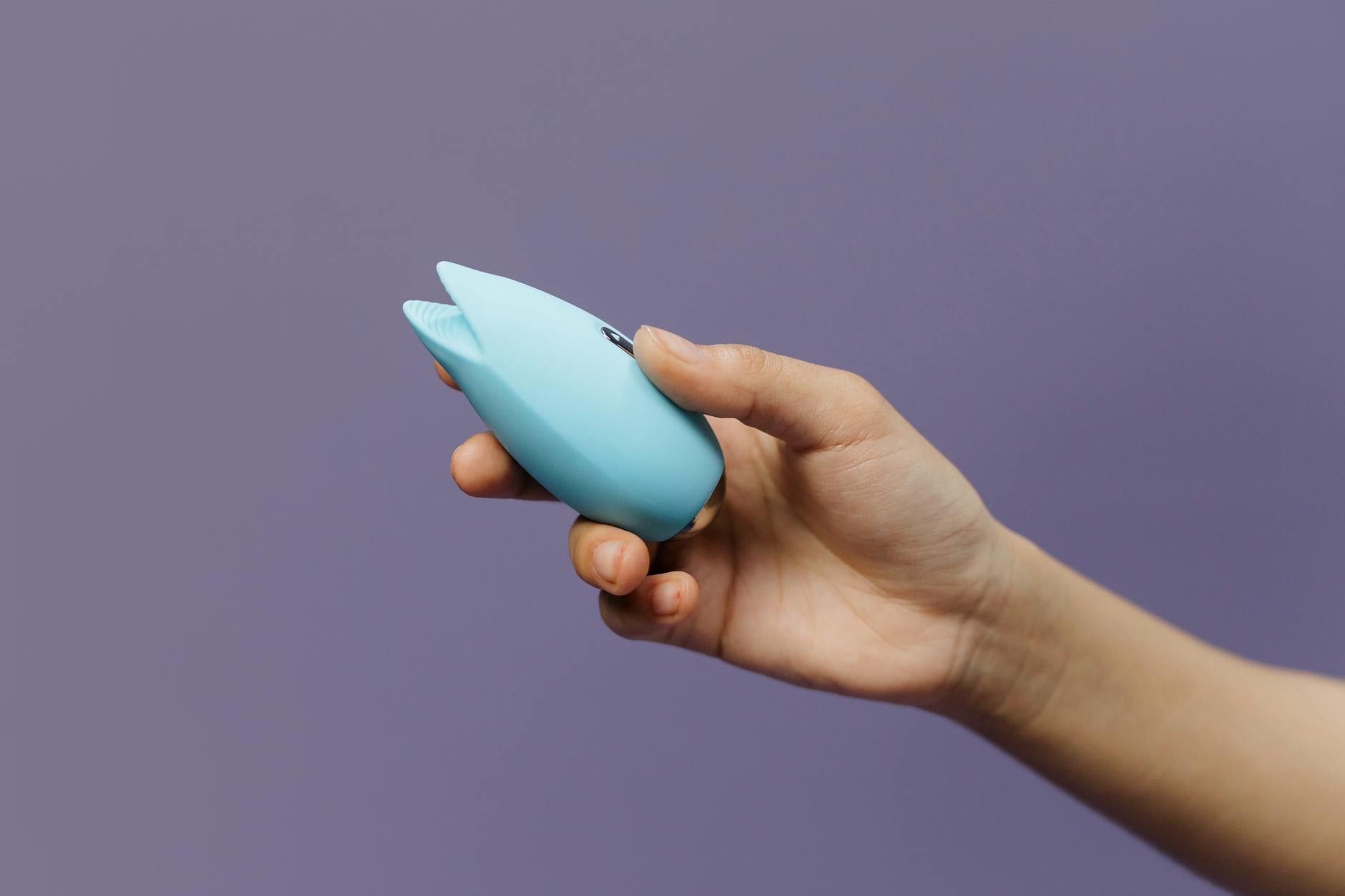
Lemon Vibrator for Partners With Different Clitoral Sensitivity Levels
One person wants whisper-light touch. The other craves intensity. A lemon sucker's adjustable patterns solve this without compromise, resentment, or taking turns forever.
One of you melts at the slightest touch. The other person needs sustained, rhythmic stimulation to feel anything at all. This isn't a flaw in either of you. It's neurology. And it's surprisingly common in couples who otherwise click beautifully.
Here's the problem with most vibrators: they're one-speed devices masquerading as versatile. You get high or low, buzz or rumble, and that's it. When partners have genuinely different needs, one person either suffers through overstimulation or waits around for an orgasm that isn't coming. A lemon vibrator changes this dynamic completely.
Unlike traditional vibrators that rely on a single motor, the Lem uses suction and pulsing patterns that let you dial the intensity without just cranking volume. The difference matters. One partner can enjoy Pattern 1 at low intensity. The other can move to Pattern 4 or 5 at medium or high, and you're both in the same device, at the same time, with zero friction about what you "need."
This solves the emotional math that kills desire. You're not negotiating, taking turns, or pulling out a second device halfway through. You're literally in sync.
The suction mechanism also changes how sensitivity plays out. Rather than direct vibration against the clitoris (which can feel overwhelming for someone with high sensitivity), suction stimulates the broader clitoral network. That means the same device can deliver whisper-light sensation or deep, full stimulation depending on which pattern you choose and how you position it.
Before you use a lemon vibrator with a partner, solo exploration is not optional. You need to know your own sensitivity map, not guess at it.
Spend 15 to 20 minutes alone with the device. Start at Pattern 1, lowest intensity. Don't move on until you understand how that feels. Does it feel teasing? Enough? Too much? Then progress through patterns methodically. You're not chasing orgasm here. You're mapping the landscape.
Note the patterns and intensities that feel good, which ones feel uncomfortable, and where the threshold sits between "not quite" and "too much." Write it down if that helps. You're going to reference this conversation with your partner.
This is not a moment to be mysterious. Here's the opener that works: "I explored the Lem solo, and I want to share what I found. I'm comfortable up to Pattern 3 at medium intensity. Beyond that feels overwhelming. What did you find?"
That's it. Factual, vulnerable, clear. Your partner mirrors back what they discovered. No shame, no negotiation, just data.
Then you say something like: "So you need Pattern 4 and I max out at Pattern 3. Let's figure out how we both get what we need."
This conversation, by the way, is relationship magic even if you never use the vibrator again. You've just communicated something most couples dance around for years. You've made pleasure a conversation instead of a guessing game.
Once you know your sensitivities, positioning becomes your leverage.
For the sensitive partner: The person who needs gentler stimulation can position the device at an indirect angle. Instead of the Lem's opening directly over the clitoris, angle it slightly to the side. This diffuses the suction and sensation, making even higher patterns feel more manageable. You can also add a thin layer of material between the skin and the device. A microfiber cloth or a folded piece of silk dampens intensity without blocking the sensation.
For the partner who needs more: Direct positioning over the clitoris with the full opening of the Lem's mouth maximizes sensation. Applying gentle downward pressure intensifies the suction. Some people also benefit from having a partner hold the device while they focus on movement and breathing, which can amplify the experience.
The compromise play: You can also take turns holding the device, moving it between each of you, and shifting intensity as you go. This feels less like alternation and more like a shared rhythm.
Don't assume you'll stick with the same pattern every time. People's sensitivity shifts based on arousal level, cycle phase, stress, and a dozen other variables.
Start at a pattern you both agreed was workable. After 2 to 3 minutes, ask: "Should we stay here or shift?" The person receiving decides. If one partner needs to escalate to Pattern 4 while the other stays with Pattern 2, you can take turns. One person settles into their ideal pattern for 3 to 4 minutes while their partner touches, kisses, or moves elsewhere on their body. Then you switch.
The beauty of lemon vibrators is that the patterns themselves provide variation. You're not just turning volume up and down. You're exploring a whole menu of sensations. Pattern 2 might feel delicate, while Pattern 5 feels percussive. One partner discovers they love the rhythm of Pattern 3, while another person needs the sustained pulsing of Pattern 6.
Notice what works and what doesn't. This data matters more than any guide because your bodies are unique.
Here's the real tension: sensitivity differences don't just affect preference. They affect timing. One person may reach orgasm in 4 minutes while the other needs 12.
This is where most couples get stuck. The person who finished waits. The person still going feels rushed. Everyone's frustrated.
The solution is radical acceptance that you might not finish together, and that's fine. In fact, it's almost always fine once you stop treating simultaneous orgasm like the gold standard.
Use a lemon clitoral vibrator to support whoever's turn it is. Their partner provides stimulation elsewhere. Hands, mouth, another toy, whatever feels good. When the first person finishes, they can absolutely continue stimulating their partner. You're not done when one of you comes. You're done when you both decide you're done.
Some couples find it actually deepens connection to take turns fully. You get to watch, receive focused attention, and move at your own pace. There's less performance pressure and more genuine presence.
What if one person's sensitivity is so extreme that even indirect positioning with Pattern 1 feels like too much?
First, check your lube situation. A high-quality water-based lubricant can soften sensation and make the Lem feel less intense. It also helps with glide and positioning flexibility.
Second, consider whether the sensitivity is physical or psychological. Anxiety, low arousal, or just not being in the mood genuinely makes the clitoris feel more sensitive. So does a cycle phase when hormones are lower. In these cases, a lemon vibrator might not be the tool for that moment. Hands, slow touch, or just time might be what you actually need.
Third, if the sensitive partner genuinely can't get comfortable with direct clitoral stimulation from any device, lemon vibrators still work for external stimulation or partnered play that doesn't focus solely on the clitoris. The Lem's gentle patterns are useful anywhere.
Honestly though? The biggest barrier to solving sensitivity mismatches isn't logistics. It's the voice in your head saying "this shouldn't be so complicated." Or "a good partner would just know." Or "my body shouldn't be this sensitive."
Drop that. Your body is what it is. Your partner's is too. A lemon vibrator isn't a workaround for a broken system. It's a tool designed to let two people with different wiring get pleasure on the same team.
Your sensitivity, whatever it is, is not a problem to solve. It's information to work with.
Yes. The adjustable patterns and suction mechanism mean you can deliver whisper-light sensation or intense stimulation without switching devices. Positioning and intensity dial-in let each partner find their sweet spot.
That's a relationship conversation, not a vibrator problem. Sensitivity isn't a character flaw or something to override. If your partner is frustrated by your needs, that's worth addressing directly. A lemon vibrator makes pleasure easier, but it can't fix underlying resentment. Consider talking to a couples therapist if this pattern shows up elsewhere.
Switch as much as you want. Sensitivity fluctuates based on arousal, cycle, stress, and mood. What worked last week might not work this week. The point is that you have flexibility baked into one tool.
Turning at the same time is actually less common than you think, and it often creates pressure. Taking turns eliminates the rush and lets each person receive genuine focus. Try both and see what feels best for your dynamic.
A lemon vibrator is a practical tool, but it's not therapy. Gentle exploration is helpful. But if sensitivity is connected to trauma history, working with a trauma-informed sex therapist alongside using the device makes sense. You want to feel safe, and that sometimes requires professional support.
Absolutely. Hormone cycles, life stress, relationship dynamics, age, medications, and about a thousand other things shift sensitivity. Check in regularly. What you discovered six months ago might not be the current map.
Your sensitivity isn't static. Your partnership isn't either. Keep exploring, keep talking, and keep adjusting as you both change.