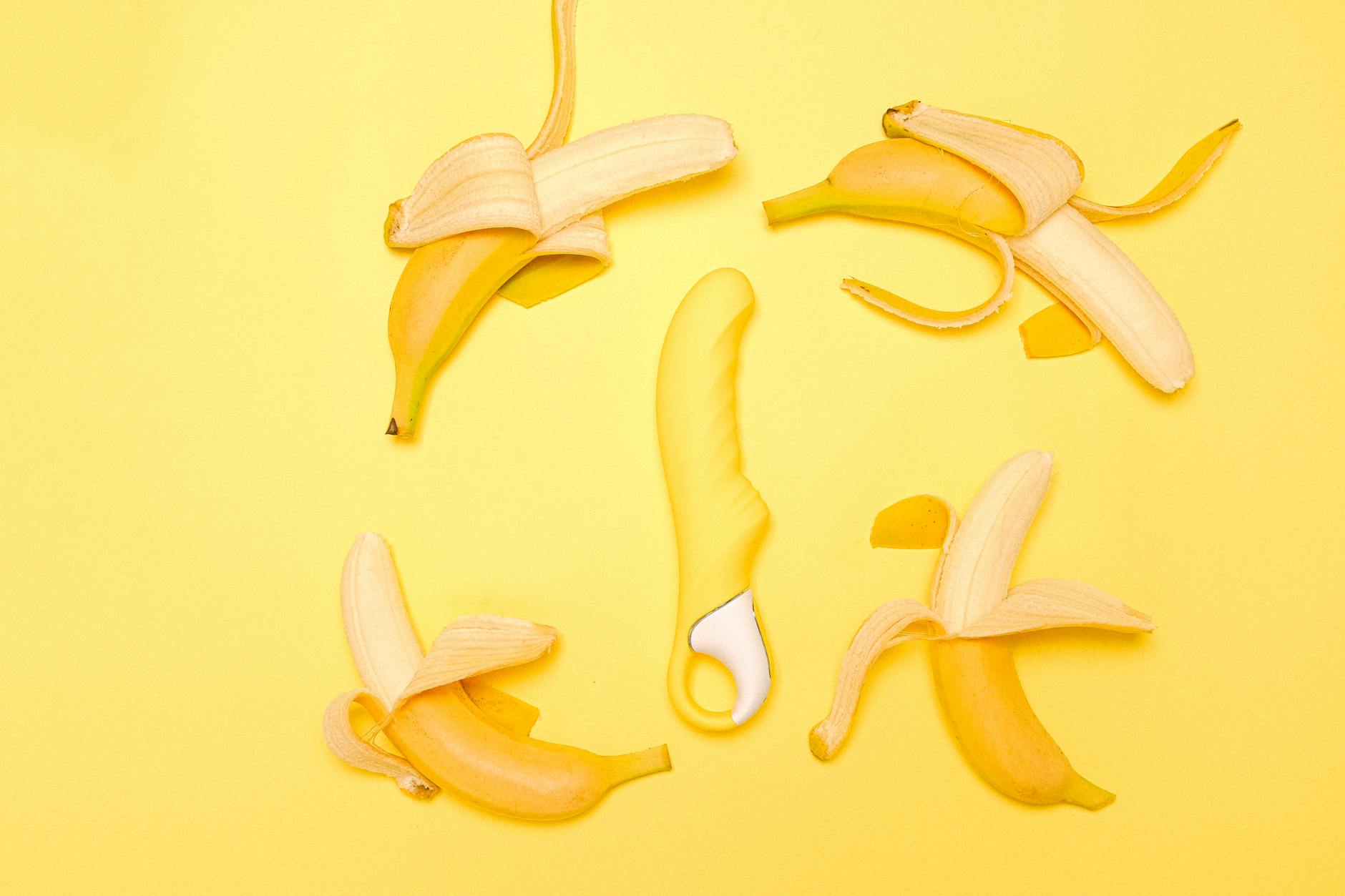
How to Use a Lemon Vibrator After Major Life Stress or Burnout
Chronic stress hijacks arousal. Here's how to reconnect with pleasure using a lemon clitoral vibrator when your nervous system has been running on empty.
Let's be real. When you're in the thick of burnout—whether that's a brutal work year, a family crisis, a health scare, or just the relentless grind of too many responsibilities—pleasure isn't just hard to access. It feels like it's on another planet. Your body is flooded with cortisol. Your nervous system is stuck in high alert. And your libido? It's collapsed into a whisper, if it's there at all.
The good news: this isn't permanent. Your capacity for pleasure is still there. It's just dormant, waiting for you to rebuild the neural and emotional scaffolding that connects you back to sensation. And a lemon clitoral vibrator can be a genuinely useful tool in that rebuilding process—but only if you approach it the right way.
This isn't melodrama. When your nervous system is chronically activated, your body deprioritizes everything non-essential to survival. That includes blood flow to the genitals, vaginal lubrication, clitoral engorgement, and the mental bandwidth to notice pleasure. Your vagus nerve, which regulates rest-and-digest functioning, goes quiet. Your amygdala (the brain's threat detector) stays loud.
The result: delayed arousal, flattened sensation, and sometimes complete anhedonia—that numb, disconnected feeling where nothing sounds appealing, not even things you used to crave. Studies in psychoneuroendocrinology show that chronic stress lowers dopamine production and dulls reward-system sensitivity. So when you touch yourself during burnout and feel almost nothing, that's not a personal failing. That's physiology.
Here's the harder part: if you push through this numbness by using a lemon vibrator while your nervous system is still in high gear, you're asking your body to perform arousal it isn't ready to feel. That often backfires, creating a feedback loop where sex feels like another obligation, and your desire drops further.
Before you reach for a lemon sexual toy, your nervous system needs permission to downregulate. This doesn't require meditation apps or expensive retreats. Three concrete things help:
1. Sleep becomes non-negotiable. I know this sounds obvious and impossible. But even one extra hour per night over two weeks measurably improves dopamine sensitivity and cortisol regulation. Your arousal capacity is directly tied to sleep debt.
2. Movement that feels good, not punishing. If you're currently exercising to burn stress or earn rest, stop. Instead, do something your body actually enjoys. Slow walks. Swimming. Dancing in your room to one song. Gentle yoga. The point isn't performance. It's signaling to your nervous system that your body is safe enough to do something just for sensation.
3. One daily moment of genuine rest. Not scrolling. Not meal prep. A moment where you're not productive and not anxious. Ten minutes on the porch. A bath. Sitting with tea. Your nervous system needs proof that rest exists and it won't derail everything.
You're ready to use a lemon clitoral vibrator when two things are true:
First, you can feel a baseline difference between stress and non-stress moments. You might not feel good yet, but you notice that after a good night's sleep, you feel incrementally less heavy than on nights you don't. That's the signal that your nervous system has some capacity to shift.
Second, you feel at least a thread of curiosity about pleasure—not obligation, curiosity. Maybe you think about something you used to enjoy. Maybe you catch yourself noticing someone attractive. Maybe you just wonder what touch would feel like. That whisper of interest is what you're waiting for.
The approach is radically different from how you might use one when you're healthy.
Start with the lowest setting. A lemon vibrator's suction technology is powerful, even on pattern 1. Stress-dampened nervous systems are often hypersensitive to intense stimulation, which feels jarring rather than pleasurable. Keep it low. Spend five minutes just feeling the sensation, with zero expectation of orgasm.
Separate touch from outcome. During burnout recovery, the worst thing you can do is use vibration as a means to an end. The goal of using a lemon clitoral toy right now isn't climax. It's reconnection. You're teaching your nervous system that sensation can feel good again, with no pressure attached. If an orgasm happens, great. If not, you still succeeded.
Set a time limit. Ten minutes. That's it. You're not trying to make this a major event. You're doing a small, intentional thing. Then you stop. This prevents that "another obligation" feeling and actually preserves curiosity for next time.
Do it when you're already in a relaxed state, not to achieve one. Don't use a lemon vibrator as a tool to make yourself relax or feel better. Use it as an occasional pleasure during times you're already somewhat calm. After a good sleep. After the bath. Not at the end of a brutal day when you're hoping it'll fix how you feel.
Burnout often comes wrapped in shame. You feel broken because you don't want sex. You feel guilty because you "should" feel better by now. You feel disconnected from your partner because intimacy has become another source of stress instead of relief.
Here's what I tell clients: pleasure recovery after burnout is slower than most wellness recoveries. It's not a twelve-week program. It's three to six months of consistent nervous system care before arousal feels truly restored. And if you're measuring progress by whether you climax with a lemon sexual toy, you'll feel like you're failing for way longer than you actually are.
Instead, measure this: Can I notice sensation for thirty seconds without planning my next task? Can I feel curiosity about my body without anxiety attached? Can I touch myself and not feel like it's another box to check? Those micro-wins add up. They're the actual markers of recovery.
If you have a partner, this recovery phase is oddly important for intimacy, but not in the way you'd think. The mistake couples make is trying to use partnered sex as the recovery tool. "Let's have more sex to fix this." That usually backfires because now sex is pressured, and pressure kills arousal even further.
Instead, use this phase to rebuild trust in your own body first. Solo exploration with a lemon clitoral vibrator on your own timeline teaches your nervous system that pleasure is safe and available without performance pressure. Once you've rebuilt that foundation—maybe a month or two in—partnered touch becomes a natural next step instead of another obligation.
If you want to involve your partner sooner, the conversation isn't about sex. It's about slowness. "I'm rebuilding my capacity for pleasure. Can we just sit together without this going anywhere?" Skin-to-skin time. Massage. Touch that has zero endpoint. This rebuilds nervous system safety with another person present, which eventually makes sex possible again.
You're moving in the right direction when: you initiate touch without scheduling it first, you can feel pleasure without immediately second-guessing it, you think about sex occasionally without dread attached, you use your lemon vibrator and actually look forward to doing it again, and—this is key—your nervous system can tolerate higher settings without feeling overwhelmed.
That progression usually takes between eight and twelve weeks if you're consistent with the nervous system work alongside occasional vibrator use. Some people recover faster. Some take longer. That's not a reflection of commitment or healing capacity. It's just how your unique brain and body work.
If you've been in burnout for longer than six months, if depression or anxiety is part of the picture, or if you're noticing this numbness extending beyond pleasure into other areas of life (food, connection, activities you loved), reaching out to a therapist makes sense. Chronic stress and burnout often need more support than self-care alone can provide. A lemon vibrator is one tool. It's not the whole toolbox.
You can, but I wouldn't. Using a lemon vibrator when your nervous system is in crisis mode often creates frustration and compounds the sense of numbness. Wait until you've had at least two weeks of intentional nervous system care—better sleep, gentler movement, actual rest—before trying it.
Burnout is typically tied to external stress and improves noticeably when stressors decrease or change. Depression is more internal and persistent. If you're numb and unmotivated even after taking time off or changing your situation, talk to a doctor or therapist. Depression needs specific treatment, not vibrator exploration.
No. In fact, solo exploration often helps. When you reconnect with your own pleasure first, you remove the pressure on your partner to be the sole source of your arousal, which actually makes partnered sex better, not worse.
Completely normal. Your nervous system is learning to feel again. This isn't failure. Feeling nothing is actually fine for the first few times. You're retraining sensation capacity, not chasing orgasms.
That depends on your relationship. If you typically share things or use vibrators together, yes. If this is solo recovery time and your partner isn't involved in sexual intimacy right now anyway, you don't have to. But hiding it often means adding secrecy shame on top of recovery work, which doesn't help.
Not really, not in active burnout. A lemon vibrator isn't a stress-relief tool the way a bath is. It's a pleasure tool that works best when stress has already stepped back a bit. Use it after recovery has started, not as a shortcut to healing.
Burnout steals pleasure because it hijacks your nervous system. A lemon clitoral vibrator can't fix burnout, but it can be a bridge back to sensation once you've done the harder work of actually resting. The key is patience. Rebuilding arousal after major stress doesn't happen on a timeline. It happens when your body feels safe enough to want sensation again. And that's a good goal to work toward.
If you're struggling with burnout and want to talk through what recovery might look like for you, reach out to us. We're here to help you find your way back to pleasure.