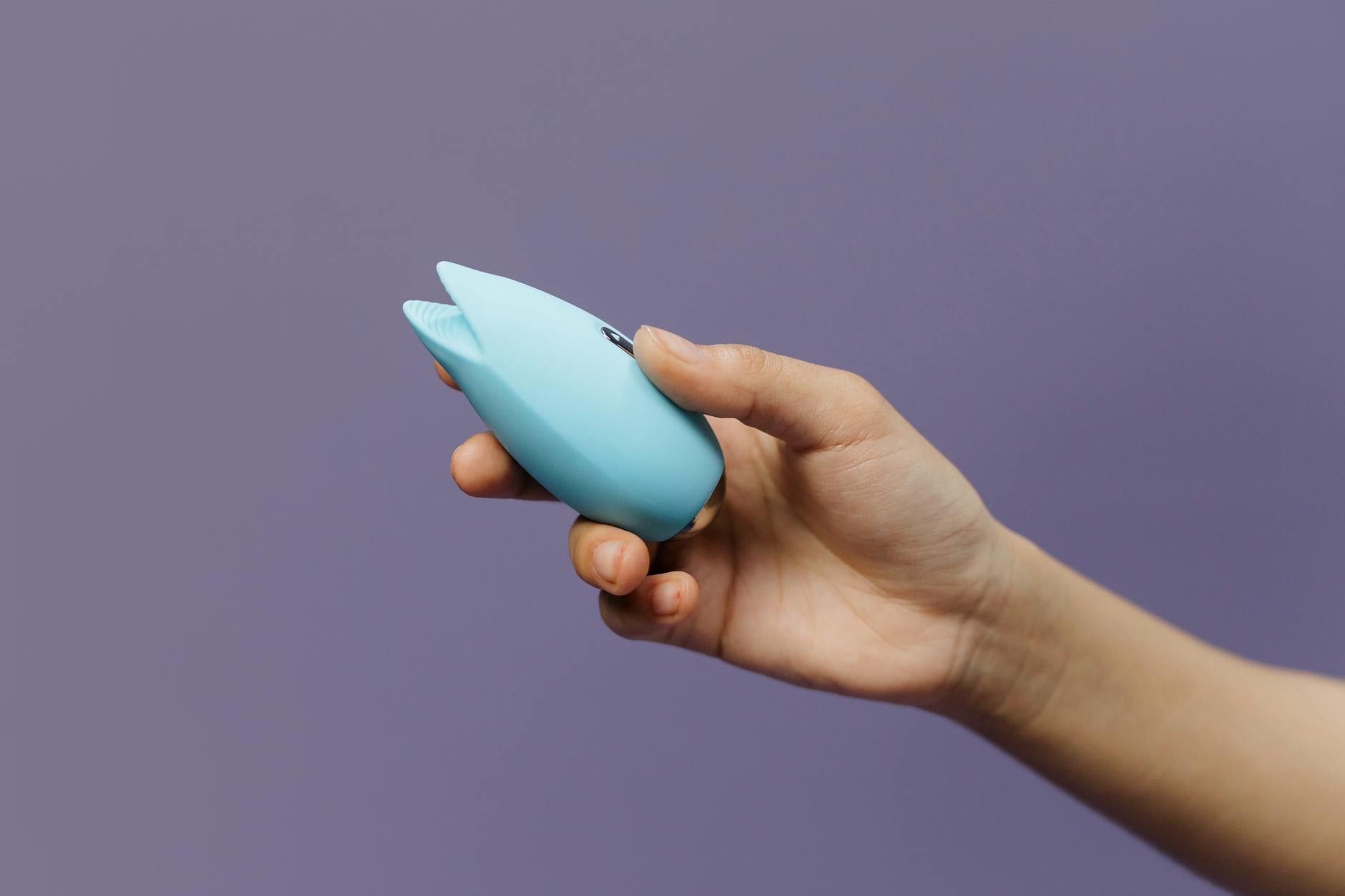
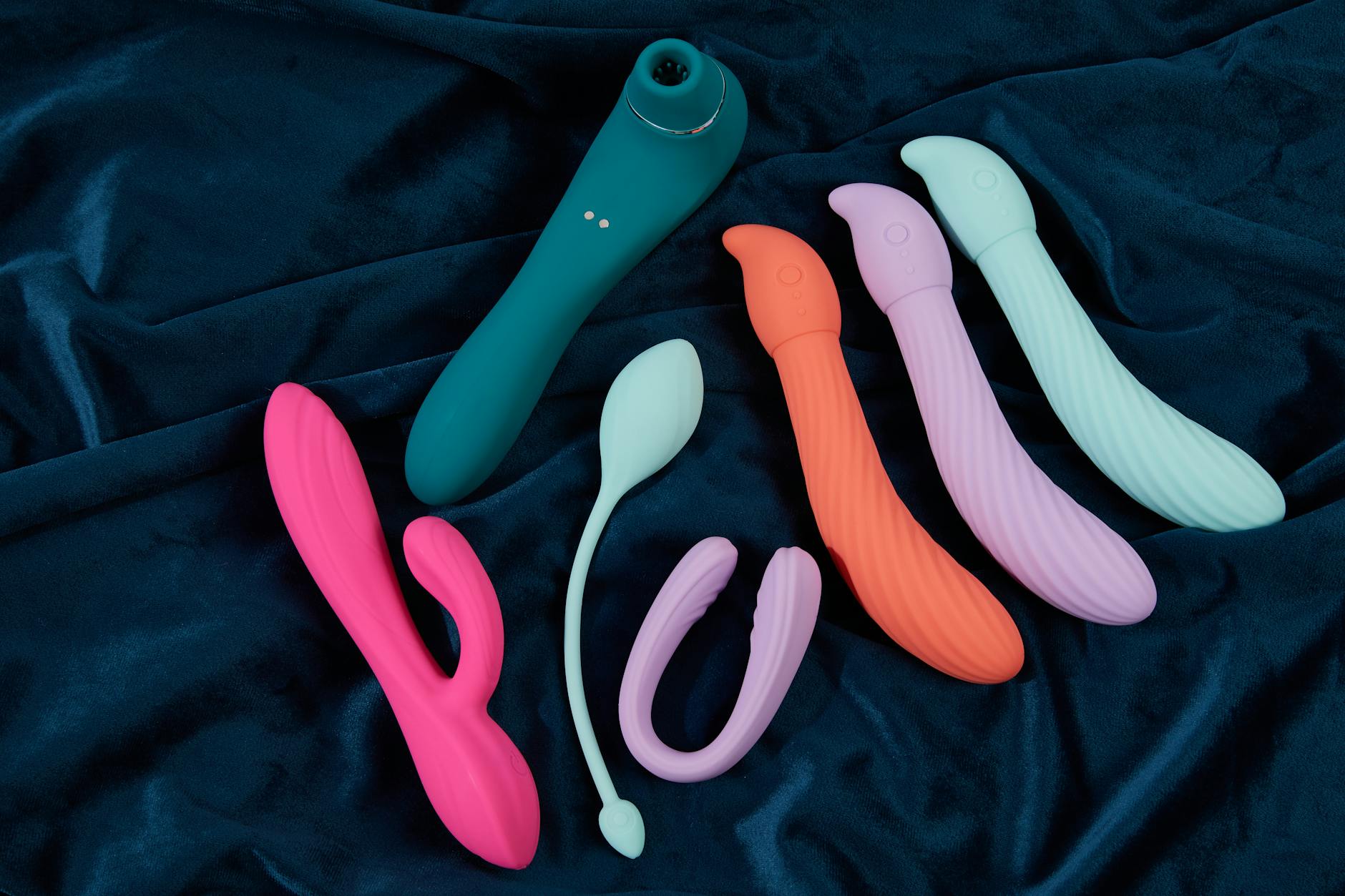
Here's the thing nobody tells you about menopause and pleasure: the rules don't end. They just shift. Your body's response changes. Your needs evolve. But your capacity for incredible orgasms? That's not going anywhere.
I've worked with hundreds of people navigating this transition, and the most common question isn't "Will I still enjoy sex?" It's "Why does everything feel different, and what do I do about it?" If you've been using lemon clitoral vibrators or wondering whether you should start, this post is your roadmap for before, during, and after.
In your reproductive years, your body is basically a well-oiled machine designed for response. Estrogen and testosterone are cruising at solid levels. When you use a lemon vibrator or any clitoral toy, your tissues are plump with blood, sensitive, and quick to respond. You might need 5-10 minutes of consistent stimulation to build arousal.
Your clitoris has about 8,000 nerve endings, and in these years, they're fully irrigated and reactive. The pelvic floor is firm from hormonal support. You might find that higher intensity settings on a lem vibrator feel amazing, or that direct clitoral contact is exactly what you want.
Many people in this phase report that external stimulation alone gets them there. The orgasms are often explosive, full-body, and reliable once you know what works.
Perimenopausal years (anywhere from your late 40s to early 50s, but it varies wildly) are the weirdest. Your hormones aren't declining steadily. They're bouncing around like they're testing out retirement. One month you feel like yourself. The next, everything feels numb or overly sensitive.
This is when I hear the most confusion. "Last week the same vibrator felt perfect. This week it's too much." That's not you getting weird. That's your hormones playing hot potato with your nerve endings.
During perimenopause, some people find that lemon sexual toys need to be used differently week to week. You might need lower intensity settings some days. Other days, you might need more sustained stimulation to build the same response. Your lubrication might shift. Your arousal timeline definitely does.
Once your periods stop for 12 months straight, you're postmenopausal. Estrogen drops to a steady, lower baseline. Tissue becomes thinner. Lubrication decreases naturally. Blood flow to the genitals is less automatic.
But here's what doesn't change: nerve density. Your clitoris still has 8,000 nerve endings. Your brain still knows how to process pleasure. Your orgasmic capacity is absolutely intact.
What does change is the architecture of how you get there. You need more time for warm-up. You likely need lubrication, even if you didn't before. Direct friction might feel too intense on thinning tissue, which is where lemon clitoral vibrators become brilliantly useful. The suction mechanism of a lem vibrator doesn't rely on mechanical friction the way a traditional vibrator does. It stimulates deeper nerve clusters without aggressive surface pressure.
Many of my clients report that their postmenopausal orgasms feel different but absolutely not inferior. They're sometimes more localized, sometimes more intense in unexpected ways. Some people orgasm easier after menopause because the mental noise finally quiets down.
A lemon sucker works differently than a standard vibrator. Instead of rapid back-and-forth motion, it creates a gentle suction pattern that stimulates the entire clitoral complex, not just the surface.
For postmenopausal bodies, this is actually ideal for three reasons:
First, no friction requirement. Thinner tissue gets irritated by constant rubbing more easily. A lem vibrator's suction stimulates without abrasion. You can use it longer, and it won't leave you sore.
Second, deeper stimulation. As tissue changes, surface sensation sometimes becomes less responsive. Suction reaches the internal clitoral structures that sit beneath the skin. For many people, this creates more intense, reliable orgasms than they had before.
Third, flexibility of intensity. You can start on the lowest settings and work up as your body responds, without jumping to vibration that might feel overwhelming. Most lemon adult toys have multiple suction intensity levels, which matters when your sensitivity is shifting month to month in early postmenopause.
If you've been using lemon sexual toys your whole life and now you're in perimenopause or early postmenopause, you don't need to throw everything out. You might just need to adjust how you use them.
Start with more warm-up time. Spend 15-20 minutes on foreplay or gentle external stimulation before you reach for your vibrator. Use a water-based lubricant even if you never needed one before. Your tissues will thank you, and it actually increases sensation rather than numbing it.
If you're exploring lemon vibrators for the first time during perimenopause or after, you might find they suit your body better than traditional vibrators ever did. The suction mechanism works with your new architecture instead of against it.
One more thing: if you have a partner, this is worth talking about. "My body's responding differently to stimulation" is separate from "I want us to reconnect," but they can feel tangled together. If you're both informed about what's actually happening physiologically, you can problem-solve together instead of each assuming something's wrong.
Pain during or after using a vibrator is not normal at any life stage. If you're experiencing pain, that's genitourinary syndrome of menopause, and it's treatable.
A gynecologist trained in menopause medicine can prescribe topical estrogen creams that rebuild tissue thickness and restore lubrication. These work remarkably fast, often within a few weeks. After that, a lemon clitoral vibrator or any toy you love works the way it used to.
If you're having pain and haven't seen a specialist, that's your first step. Don't just white-knuckle through it.
Absolutely. The tool doesn't change, but how you use it might. Before menopause, you might prefer higher intensity and less warm-up time. After, you might start on lower settings and take more time for arousal to build. If you own a lem vibrator, you're actually set up well because suction intensity is adjustable.
Not comfortably, no. If you have pain or significant dryness from GSM, that needs medical attention first. Once your tissue is treated and restored (usually with topical estrogen), lemon sexual toys work beautifully again. Don't try to power through pain with a vibrator.
Not necessarily more, but yes, you'll likely need some if you're postmenopausal. Water-based lubricant doesn't reduce sensation the way you might think. It actually increases glide and allows you to feel more. Apply it generously and reapply as needed.
Completely normal. They might feel smaller, bigger, more localized, more full-body, faster, or slower. Different doesn't mean worse. Most of my clients report that once they stop expecting orgasms to feel the same as they did at 35, they start enjoying the new sensation for what it is.
It depends on the individual. Some people find it takes longer to build arousal. Others report easier, more frequent orgasms because the mental load of fertility and hormonal cycling is gone. Lemon clitoral vibrators help either way because you can control intensity and take your time.
Not necessarily. If you love what you have, keep using it. But if you're exploring options, lemon vibrators and suction toys work really well for postmenopausal bodies because they don't require direct friction and can stimulate deeper nerve clusters. It's worth trying if your current setup isn't working the way it used to.
Menopause changes your body. It doesn't diminish your capacity for pleasure. You're not heading toward the end of good sex. You're stepping into a chapter where you know yourself better, have fewer external pressures, and get to actually explore what feels good without the noise of everything else.
Lemon sexual toys, whether you've used them for years or you're discovering them now, are genuinely useful across all life stages. A lemon sucker especially is built for bodies where tissue is changing, sensation is shifting, and you want reliable, intense pleasure without friction.
If you're in perimenopause or postmenopause and feeling worried or confused about your pleasure, that's completely normal. The good news is this phase is solvable. It just requires information, adjustment, and often the right tools.