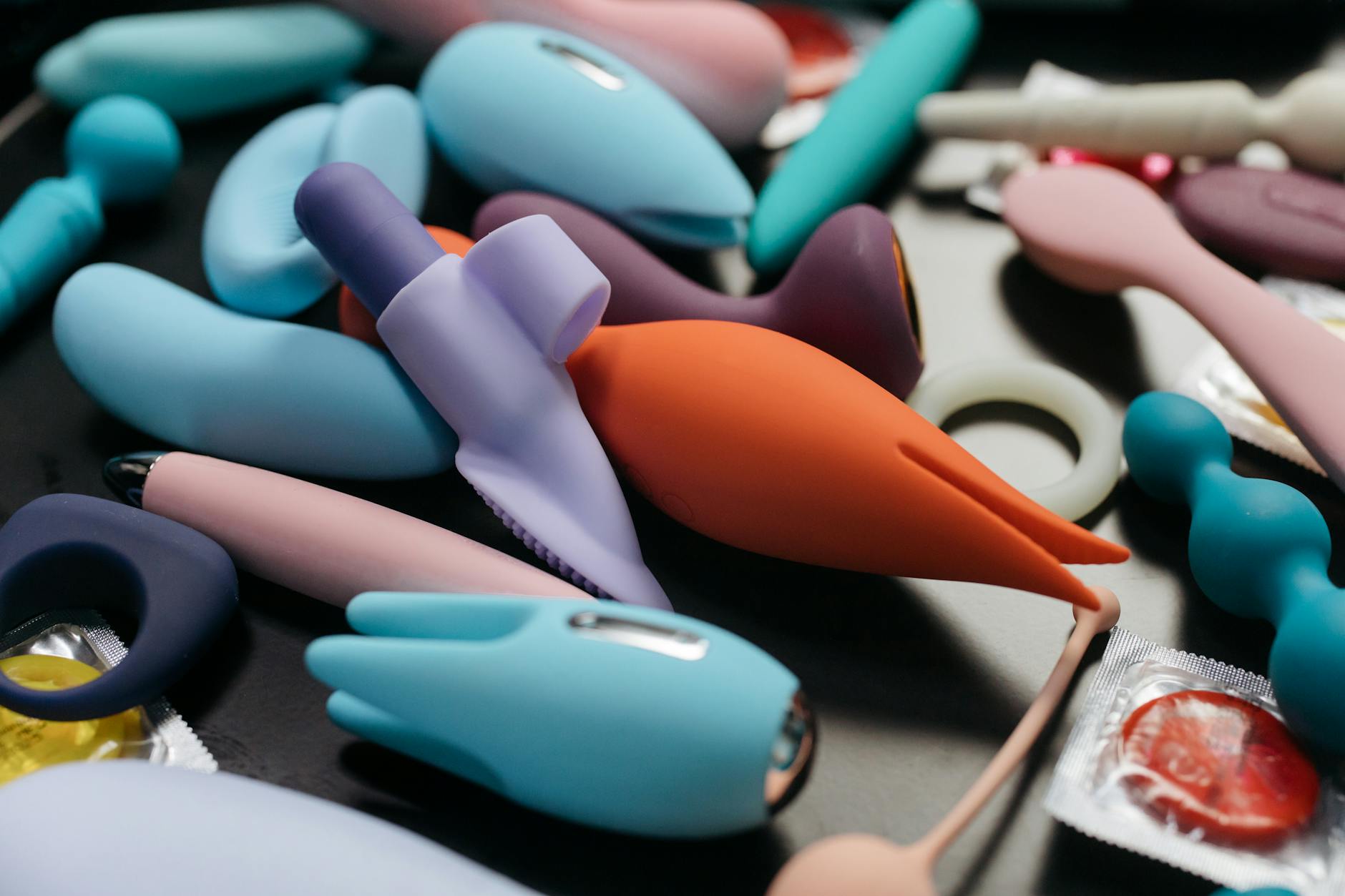
Long-distance relationships are hard. Not because the love is weak, but because physical intimacy requires, well, physicality. Zoom calls don't cut it. Phone sex feels performative after the third time. And flying back and forth every month isn't sustainable for most people.
But here's the thing: long-distance doesn't have to mean a dead bedroom. It means rethinking what intimacy looks like when you're separated by time zones.
Most couples in long-distance situations fall into one of two camps. Either they try to recreate partnered sex over video (which usually feels awkward and disappointing), or they stop trying altogether and wait for the next visit. Both approaches leave room for disconnect.
Lemon vibrators—and air-suction clitoral vibrators generally—offer a third option. Unlike traditional vibrators, which can feel isolating or performative on a video call, the unique sensation of suction creates something that's genuinely yours. You're not performing for the camera. You're having an experience, and your partner is there to witness it and hold space for it, which is different.
The clitoral vibrator works well for this because it doesn't require penetration or partnered touch. You can use it solo, fully present, while your partner watches or talks you through it. There's less of the "I'm pretending this is something it's not" energy that can kill the mood in long-distance situations.
When you're apart, shared vulnerability becomes the primary currency of intimacy. You can't touch, so you have to show up differently. You have to be honest about what you want, what you're feeling, and what helps.
This is actually where some long-distance couples find unexpected depth. When you remove the mechanical parts of sex—the positioning, the timing, the logistics—you're left with genuine presence and communication. Your partner watches you have pleasure. They hear you. They respond in real time. That's intimate, maybe more intimate than going through the motions in the same room.
Lemon vibrators facilitate this because they're designed for sensation, not performance. You're not trying to sync with a partner's body. You're exploring your own pleasure while they're present. And that presence—even through a screen—matters more than you'd think.
Here's what I tell couples who want to try this. First, agree on timing. Pick a time when you're both undistracted, well-rested, and genuinely interested. Don't do this while one of you is checking emails or waiting for a delivery.
Second, start with conversation. Talk about what you want to feel, what you're curious about, what your boundaries are. This happens before the video call. Knowing your partner's preferences beforehand removes the "what do you want me to do?" awkwardness mid-experience.
Third, keep the focus on sensation, not performance. You're not trying to come on cue or put on a show. You're exploring what feels good. If that takes five minutes or fifty, that's the pace. Your partner is there to enjoy the experience with you, not judge its efficiency.
Fourth, understand that this will feel weird the first time. That's normal. Long-distance couples aren't used to sharing pleasure this directly. You might laugh. You might feel self-conscious. You might want to stop halfway through. All of that is fine. The goal is to build comfort and connection, not to nail a performance on the first try.
Traditional vibrators buzz. That's what they do. They provide consistent, often intense stimulation. Some people love that. Others find it becomes numbing or one-dimensional over time.
Lemon clitoral vibrators work differently. The suction mechanism creates a pulse of pressure and release, which mimics something closer to manual stimulation. It feels more dynamic, more responsive to your body's natural rhythm. And because you're controlling the intensity and pattern yourself, you feel more in charge of the experience.
For long-distance couples, this matters. The device becomes less of an "I'm using a toy" experience and more of a "my partner and I are exploring together" experience. The sensation is distinct enough that it becomes part of your shared language. You develop a sense of what works, what you return to, what you want to try next.
Many couples I work with find that using a lemon vibrator together, even from afar, becomes a touchstone for the relationship. It's something you do together that's intentional, vulnerable, and just for you two.
When you finally see each other, all that shared pleasure experience carries over. You've been communicating about what feels good. You've been present with each other, even from miles away. That doesn't disappear when you're in the same room.
In fact, many long-distance couples find their in-person sex is better after they've developed this shared language around solo pleasure. You know what your partner likes. You've heard them. You've witnessed them being vulnerable. That foundation makes partnered sex feel deeper, more connected.
Some couples even continue using a lemon clitoral vibrator together during visits, integrating it into partnered play in ways that feel natural because you've already established trust and communication around it.
The research on long-distance relationships is surprisingly hopeful. Couples who maintain sexual and emotional connection across distance report higher relationship satisfaction than couples in the same city who've stopped trying. The effort itself communicates something: you matter. Your pleasure matters. This relationship matters enough to figure out how to keep it alive.
A lemon vibrator is just a tool. The real intimacy is the decision to stay connected, to be vulnerable, and to keep showing up for each other. The tool just makes it easier to do that.
Yes, if both people are genuinely interested and present. The key is removing the pressure to perform. You're not trying to recreate in-person sex. You're exploring pleasure while your partner witnesses it. That's a different experience, and it can be deeply intimate. Many couples find it feels less performative than in-person sex because there's no pressure to sync with someone else's body.
Most people find it feels weird for the first few minutes, then becomes normal. The weirdness usually comes from self-consciousness, not from anything actually awkward about the situation. If you start with conversation and clear expectations, that self-consciousness fades. Your partner isn't judging. They're glad to be included.
Long-distance actually helps here. Because you're not having sex in person, you're not dealing with the logistical mismatch of "I want it more often." Video intimacy can happen on whatever schedule works for both of you. Someone with a higher drive can use a lemon vibrator solo between video sessions. There's less pressure and more autonomy.
Absolutely. They're designed for solo use. The fact that your partner might be present over video doesn't change the sensation or effectiveness. The suction mechanism works the same whether you're alone or on a call. The only difference is the emotional and psychological component of being witnessed and held by your partner.
It depends on the couple. Some do it weekly. Others monthly, around visits. There's no right answer. What matters is that it feels intentional and connected, not like an obligation. Start with what feels sustainable for both of you, and adjust from there.
Then it's not the right approach for your relationship, and that's fine. Not every couple wants to share pleasure this way. But I'd encourage a conversation about what intimacy does look like during the distance, and what both of you need to feel connected. If you're both unsure, that's worth exploring together, maybe with a relationship counselor who specializes in long-distance couples.
Long-distance relationships require intentionality. You have to decide, actively, to maintain intimacy. A lemon vibrator isn't a magic fix, but it's a concrete tool that helps couples stay connected when geography pulls them apart. It creates space for vulnerability, communication, and genuine pleasure.
Distance is hard. But it doesn't have to mean disconnection. With presence, honesty, and the right tools, couples can build intimacy that actually deepens their relationship, even across miles.
Jiang, L. C., & Hancock, J. T. (2013). Psychological antecedents of frequency and duration of social media use. Psychology of Popular Media Culture, 2(2), 72-86.
Crystal Jiang & Walid Afifi (2013). "Uncertainty, disclosure decisions, and the theory of motivated information management in long-distance relationships." Communication Research, 41(1), 131-156.
Stafford, L., & Canary, D. J. (2006). Equity and interdependence in long-distance relationships. Journal of Social and Personal Relationships, 23(5), 743-755.