You start a new medication for anxiety, depression, blood pressure, or hormonal balance. The first few weeks are good. Then you reach for your Lem clitoral vibrator and something feels off. The sensation is muted. Arousal takes forever. Orgasms either don't happen or feel shallow when they do. Your vibrator didn't break. Your medication rewired how your nervous system responds to stimulation.
This is real, it's common, and most people never connect the two dots. Your doctor probably didn't mention it. The prescription bottle certainly didn't. But it matters, because sensation loss is one of the biggest drivers of people abandoning their sexual life during medication changes.
Here's what's actually happening physiologically, and what you can do about it.
Orgasm is a chain reaction that starts in your brain. A cascade of neurotransmitters triggers arousal, blood flow increases, muscle tension builds, and finally your nervous system fires off that electrical sensation. Medications that work on serotonin, dopamine, or norepinephrine levels will interfere with at least one step in that chain.
SSRIs like sertraline, paroxetine, and fluoxetine are the most notorious. They're brilliant for mood and anxiety. They're also notorious for what clinicians call sexual dysfunction but what you experience as numbness. About 40-60% of people on SSRIs report sensation changes or difficulty reaching orgasm.
But SSRIs aren't alone. Blood pressure medications, especially beta blockers. Antihistamines that cross the blood-brain barrier. Even some birth control formulations can dampen clitoral sensitivity. The reason is the same each time. If a medication is altering neurotransmitter levels, it's potentially affecting sexual response.
Here's the thing though. Your clitoral tissue is still there. Your nerve endings still work. The pathway is just noisier. It's like trying to hear someone speak in a crowded bar. The information is still arriving. It's just harder to pick out.
First is what I call the "volume knob down" experience. Everything feels roughly the same, but quieter. You can still reach orgasm, but it takes twice as long and feels less intense. The buildup is there, but muted. This tends to happen with SSRIs and some blood pressure medications.
Second is sensation fragmentation. Instead of a unified wave of pleasure, arousal feels scattered or localized. You might feel something building in your clitoral tissue but your body isn't joining in. There's disconnect between what's happening physically and what your nervous system registers as pleasure. This is especially common with antipsychotics or medications affecting dopamine.
Third is complete numbness. Stimulation registers as touch, but there's no pathway to pleasure. You feel the vibration. You're not aroused by it. This is less common but happens, and it's the most distressing because it can feel like pleasure has been surgically removed.
Regardless of which pattern you're experiencing, the first thing to know is that it's not permanent and it's not your fault.
When you start a new medication, your body is in an adaptation phase. For the first 2-4 weeks, side effects can be unpredictable. Some people notice sensation changes immediately. Others don't feel the impact until week 6 or 8, when the medication has fully saturated your system.
Many people mistakenly assume the sensation loss is permanent. It's not always. Some people's bodies adjust. Sensitivity can partially return after 8-12 weeks as your nervous system recalibrates. This doesn't happen for everyone, but it happens enough that timing is worth knowing about.
If you're newly medicated and noticing changes, resist the urge to panic or assume you're broken. Give yourself 6-8 weeks. Use this time to explore different patterns and intensities with your lemon vibrator. You might find that what felt numb at medium setting becomes responsive at the lowest setting, or that you need to warm up differently.
I recommend four concrete approaches to rebuilding sensation.
Extend your warm-up window. If arousal normally takes you 10 minutes, budget 30. Sensation changes don't mean arousal is impossible. It means the pathway is longer. Patience becomes a tool. Start with touch that has nothing to do with sex. A bath. A massage. Nonsexual physical connection with a partner if you have one. Let your nervous system slowly engage before you introduce a clitoral vibrator.
Shift your focus to sensation mapping rather than outcome. Stop trying to have an orgasm. Instead, use your Lem on different intensity levels and pay attention to what you notice. Which pattern creates the most localized sensation. Which one feels like it's connecting to something deeper. Which settings create that fragmented feeling. This isn't wasting time. It's recalibrating your nervous system's signal-to-noise ratio.
Lower the initial intensity. If your vibrator has adjustable patterns or intensity levels, start at setting 1 or 2 instead of jumping to where you normally live. A common mistake is assuming "I need more stimulation because I'm not feeling it" when actually the threshold has shifted and gentler stimulation might reconnect you better. The Lem clitoral vibrator's suction-based design is especially useful here because even lower settings often create more localized sensation than traditional vibration.
Add external input to reroute arousal. If clitoral stimulation alone feels disconnected, add something else. A partner's touch. A fantasy that engages you. Different music. The idea is to activate multiple pathways into pleasure so your brain has more sensory information to work with. It's not a workaround. It's a way of meeting your nervous system where it is right now.
If sensation changes don't improve after 10-12 weeks, or if they're significantly affecting your quality of life, talk to your doctor. This is not something you have to accept silently.
Three options are worth mentioning. One is dose adjustment. Sometimes a slightly lower dose maintains the medication's benefit while reducing sexual side effects. Not always, but sometimes.
Second is timing. Some medications have less impact on sexual function if you take them at different times. Taking your SSRI in the morning instead of at night, for instance, can mean side effects have worn off more by the time you're intimate. Again, not universal, but worth asking about.
Third is augmentation. Some people add a second medication specifically to counteract sexual side effects. Bupropion is the most studied. Buspirone, folic acid, and ginseng have research behind them too. These aren't panaceas, but they work for some people.
The key is knowing that complaining about this to your doctor is not weakness or oversharing. Sexual function is a legit health outcome. Any decent prescriber takes it seriously.
A few things I see people try that don't actually help. Buying a "stronger" vibrator rarely solves the problem because the issue isn't vibrator power. It's your nervous system's ability to register the sensation. You could have the most expensive clitoral vibrator on earth and it won't matter if the pathway is blocked.
Increasing frequency of use doesn't help either. If anything, it makes it worse because you're creating frustration rather than rebuilding. The goal is quality reconnection, not quantity of attempts.
And this matters: alcohol and cannabis might feel like they help in the moment, but they actually dull sensation further by adding another layer of nervous system suppression. You're not solving the problem. You're just adding another variable.
Medication-related sensation loss carries a weird shame that's worth naming. You feel like your body is betraying you. You might worry that this is permanent. If you have a partner, there's often pressure around "still being sexual" or anxiety about whether they'll be patient. That emotional weight is separate from the neurochemical reality, but it compounds the problem because stress and anxiety make sensation loss worse.
Here's what I tell my clients. Your medication is working. Your brain is healthier. Your mood is more stable. The sensation change is a side effect, not a price you pay for sanity. And it's fixable in most cases. That might sound like small consolation when you're missing your pleasure, but it matters. You're not broken. You're recalibrating.
There's no universal timeline, but most people notice changes within the first 2-4 weeks, and patterns stabilize by 8-12 weeks. Some people's sensitivity partially returns as their body adjusts. Others find that specific strategies help rebuild sensation without waiting. If nothing has changed after 12 weeks, it's worth talking to your prescriber about adjustment options rather than assuming it's permanent.
Absolutely. Many people find that suction-based stimulation feels more effective than traditional vibration when sensation is muted, because it creates more localized pressure and a different sensory pathway. Lower intensity settings often work better than high ones because they require less neural processing. And longer warm-up periods with nonsexual touch before using the vibrator can help prime your nervous system.
No. Stopping medication without medical guidance can be dangerous, and sensation loss might not be worth the risk to your mental health anyway. Instead, talk to your prescriber about dose adjustment, timing changes, or augmentation strategies. Most people can find a medication regimen that works for both their mental health and their sexual function.
Maybe. Different medications affect different neurotransmitters, so switching to a medication with a different mechanism sometimes helps. Bupropion, for instance, has fewer sexual side effects than SSRIs in many people. But switching isn't a guaranteed fix, and it requires medical guidance. Some people find their best balance on their current medication once they've rebuilt sensation using the strategies above.
Yes, absolutely. The goal isn't to stop using a clitoral vibrator. It's to rebuild your connection to sensation while you're on medication. In fact, many people find that using a vibrator as part of a longer, gentler arousal process actually helps rewire their nervous system back to responsiveness.
Talk to them. Seriously. Explain that your medication is affecting sensation, not desire or attraction. Most partners can handle "this is going to take longer and feel different" way better than they handle silence and withdrawal. Then involve them in the solution. Longer foreplay. Different types of touch. Using tools like a clitoral vibrator together. This becomes a shared project rather than something you're failing at alone.
Medication-related sensation loss is a real, documented side effect that almost nobody talks about. Your clitoral vibrator hasn't changed. Your nervous system has. And that's not permanent.
Rebuild sensation slowly. Start with extended warm-up time, lower intensity settings, and the kind of detailed attention you'd give to learning something new. Talk to your prescriber if nothing improves after 3 months. And know that most people find a path forward. It might look different than before, but pleasure is still there. It's just asking for a different approach.
If you're struggling with how medication changes have affected your intimacy and you want to talk through strategies, that's what we're here for. Reach out at /contact and we can walk through what might work for your specific situation.

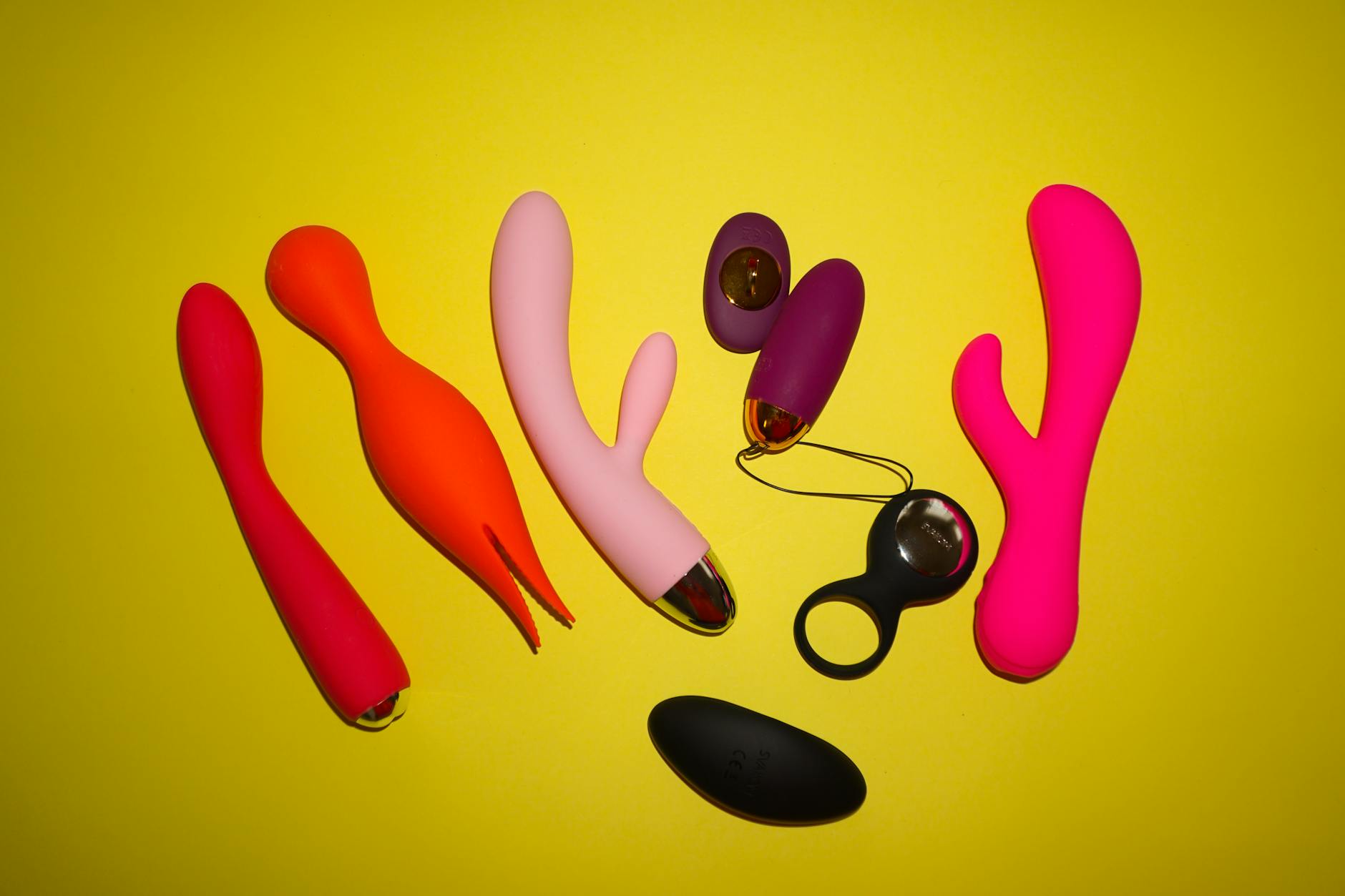 Photo by FounderTips on Pexels