Hormonal birth control works by suppressing the hormones that drive arousal. That's not a side effect. That's the mechanism. And for years, that trade-off might have felt worth it. Then you stop taking it, and suddenly your body feels like someone turned the volume back up.
Hormonal contraceptives suppress testosterone and elevate sex hormone binding globulin (SHBG), a protein that locks up the small amount of testosterone your body produces. Testosterone is not just a "guy hormone." It's the primary driver of spontaneous desire in people of all genders. When the pill tanks your testosterone, desire doesn't just dip. It flattens.
Estrogen in the pill also dampens clitoral sensitivity by altering nerve endings and blood flow to genital tissue. Many people on hormonal birth control describe orgasms as distant, difficult, or simply unavailable. They're not being dramatic. The neurobiology is actually suppressed.
And here's the part that surprises people: this suppression is exactly what makes hormonal contraception so effective. The lower your sex drive, the fewer unplanned pregnancies. But when you stop, your body doesn't immediately bounce back to baseline. It overshoots.
When you quit hormonal birth control, testosterone can take weeks to months to fully recover. During the first 4-8 weeks, many people experience a rebound surge. Desire doesn't just return. It floods back. Your clitoris regains sensitivity. Arousal builds faster. Orgasms feel sharper and more accessible.
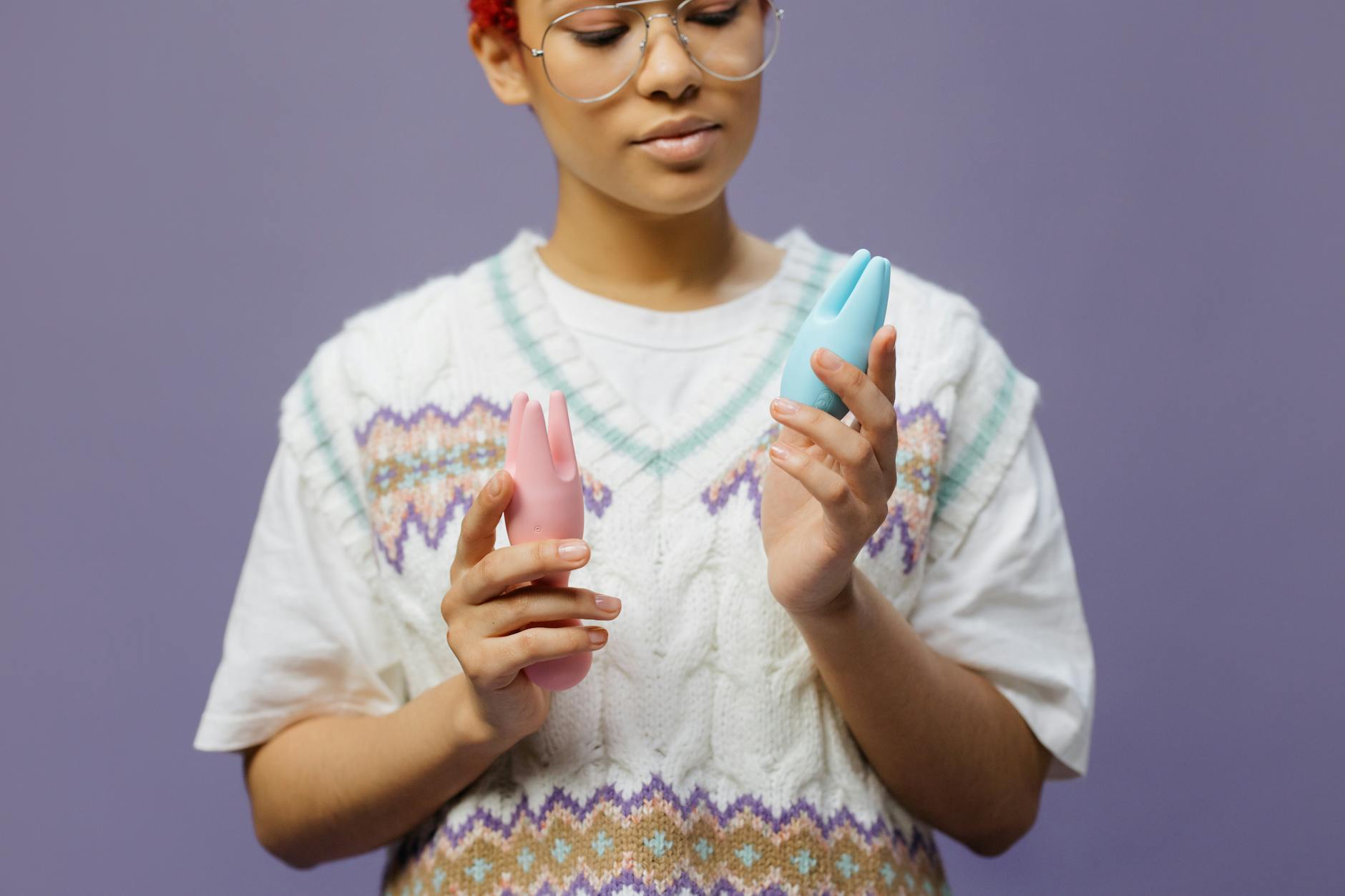
This is when people often reach for vibrators for the first time in years, or rediscover ones they own. The Lem, which uses air-pulse suction technology rather than traditional vibration, becomes particularly relevant during this window because the sensation is so different from what you've been experiencing.
If you've been on hormonal birth control for years, your body has adapted to suppressed sensation. A standard vibrator feels... fine. But when sensitivity returns, a standard vibrator can feel too intense, too direct, or weirdly unpleasant. Air-pulse suction is gentler on newly awakened nerve endings while still providing strong, focused stimulation.
Three major changes happen when you stop hormonal contraception.
1. Clitoral blood flow increases. When testosterone returns, blood flow to the clitoris improves. This makes the tissue more responsive but also more sensitive to direct pressure. Many people who never liked vibrators before suddenly find them too sharp. The Lem's gentler suction approach works better for this transitional phase.
2. Your pleasure threshold shifts. On the pill, your brain has been receiving a steady signal that sex is less important. Your dopamine response to arousal is muted. Off the pill, dopamine spikes again. This sounds great, and it is. But it also means your nervous system is recalibrating. What felt adequate six months ago might feel overwhelming now. You're essentially relearning your own pleasure.
3. Mental clarity returns. Hormonal birth control affects mood and cognitive function. People frequently report feeling foggy, emotionally flat, or distant from their own desire. When you stop, that mental fog lifts. You feel more present in your body. Present attention to sensation fundamentally changes pleasure. You're not just feeling more. You're feeling differently.
If you're newly off hormonal birth control and planning to use lemon vibrators or any other clitoral stimulator, a few adjustments help.
Start with lower intensity settings. The Lem has five intensity levels. New users typically begin at level 2 or 3. If you're post-pill with newly sensitive tissue, start at level 1. Your threshold will climb as your nervous system recalibrates. There's no prize for jumping to maximum intensity immediately.
Give yourself more warm-up time. On the pill, arousal was slow and effortful. Off the pill, it builds faster. But faster doesn't mean instant. Budget 15 to 20 minutes for full arousal before introducing a vibrator. Foreplay, fantasy, whatever works for your body. The vibrator is the finale, not the opening act.
Pay attention to your cycle. Off hormonal birth control, you've probably noticed your cycle again. This matters. Clitoral sensitivity shifts across the cycle. You'll be more sensitive in the luteal phase (the two weeks before your period). Less sensitive right after ovulation. Track what you notice. Your pleasure isn't inconsistent. It's natural.
Communicate with partners. If you have a partner, your changing pleasure directly affects partnered sex. Sensitivity increases affect what feels good. Speed preferences shift. Oral sex might feel different. These are conversations worth having explicitly, not silently accommodating.
Hormonal birth control also affects pelvic floor tone. Estrogen supports pelvic floor muscle elasticity. Lower estrogen on the pill means a slightly weaker, less responsive pelvic floor. When estrogen returns post-pill, pelvic floor tension can actually increase as the muscles "wake up" and strengthen.
This is mostly good news. A stronger pelvic floor contributes to more intense orgasms. But the transition can feel weird. Some people experience cramping, heaviness, or unusual tension before pleasure normalizes. Gentle pelvic floor awareness (not aggressive Kegels, just noticing) can help during this phase.
The Lem's suction mechanism actually works well for pelvic floor recovery because it doesn't require the same penetrative pressure that other stimulation might. You get strong sensation without demanding deep muscular engagement.
Not everyone experiences an arousal surge post-pill. Some people feel... the same. Or worse. If you quit hormonal birth control hoping your libido would roar back and it didn't, that's worth investigating.
Sometimes the pill was masking a libido issue that exists independently. Relationship problems, stress, depression, untreated ADHD, or past trauma can all suppress desire regardless of hormonal status. Stopping the pill doesn't automatically fix those.
Other times, it takes longer than you expect. Hormones stabilize on their own timeline, not yours. If it's been four months and nothing has shifted, checking in with a gynecologist trained in post-pill syndrome is reasonable. Your body might need nutritional support, thyroid evaluation, or simply reassurance that the timeline is normal.
That said, many people find that rediscovering pleasure tools like lemon clitoral vibrators during the post-pill transition creates its own momentum. The act of deliberately exploring your body, no agenda, no performance pressure, often jumpstarts desire by itself.
There's significant variation, but most people notice shifts within 4 to 8 weeks. Testosterone begins climbing immediately, but it takes time to fully stabilize. Some feel change within two weeks. Others take three to six months. Track your own patterns. You're not broken if your timeline doesn't match someone else's.
You can use it whenever you want, but most people find starting with lower intensity feels better during the initial rebound period. Your clitoris is literally waking up. Gentleness early on often leads to better long-term pleasure than jumping to maximum intensity immediately.
Yes. Many people describe post-pill orgasms as sharper, fuller, or more frequent. Some describe them as different in character. The subjective experience changes because the physiology changes. There's no "better" or "worse." Just different. Some people prefer how they feel post-pill. Some miss aspects of the pill era. Both are valid.
No. Your cycle might take a few months to stabilize. Some people have a regular period within weeks. Others experience irregular bleeding for three to six months. This is completely normal. Your hypothalamic pituitary ovarian axis is rebooting.
Yes, if you have one. Changes in sensitivity, arousal timeline, and pleasure preferences directly affect partnered sex. A conversation that takes five minutes saves months of misunderstanding. You're not being high-maintenance. You're communicating what your body needs.
That happens too. Sometimes the pill was masking relationship issues, stress, or depression that comes back into focus when hormones stabilize. Sometimes your timeline is just slower. Sometimes you need nutritional support or medical evaluation. Talk to a gynecologist if arousal hasn't returned within six months, or if it gets worse over time. That's worth investigating.
Your body doesn't flip from suppressed to normal overnight. It recalibrates. Sensation returns in waves. Arousal rebuilds. Your pleasure preferences shift. These changes are real and measurable, not psychological or imagined.
Tools like lemon vibrators work differently for post-pill bodies than pill-taking bodies, simply because the physiology is different. The Lem, with its air-pulse suction approach, often feels more appropriate during this transition because it meets newly sensitive tissue with gentleness, not force.
If you've recently quit hormonal birth control and you're exploring pleasure again, that exploration itself is part of the recalibration. You're not starting from zero. You're remembering what your unmedicated body is capable of. That reawakening is worth time, attention, and patience.
If you have specific questions about how pleasure changes align with your health journey, reach out to us. We're here to help you navigate the transition with information and without judgment.